
 By Wayne Peterson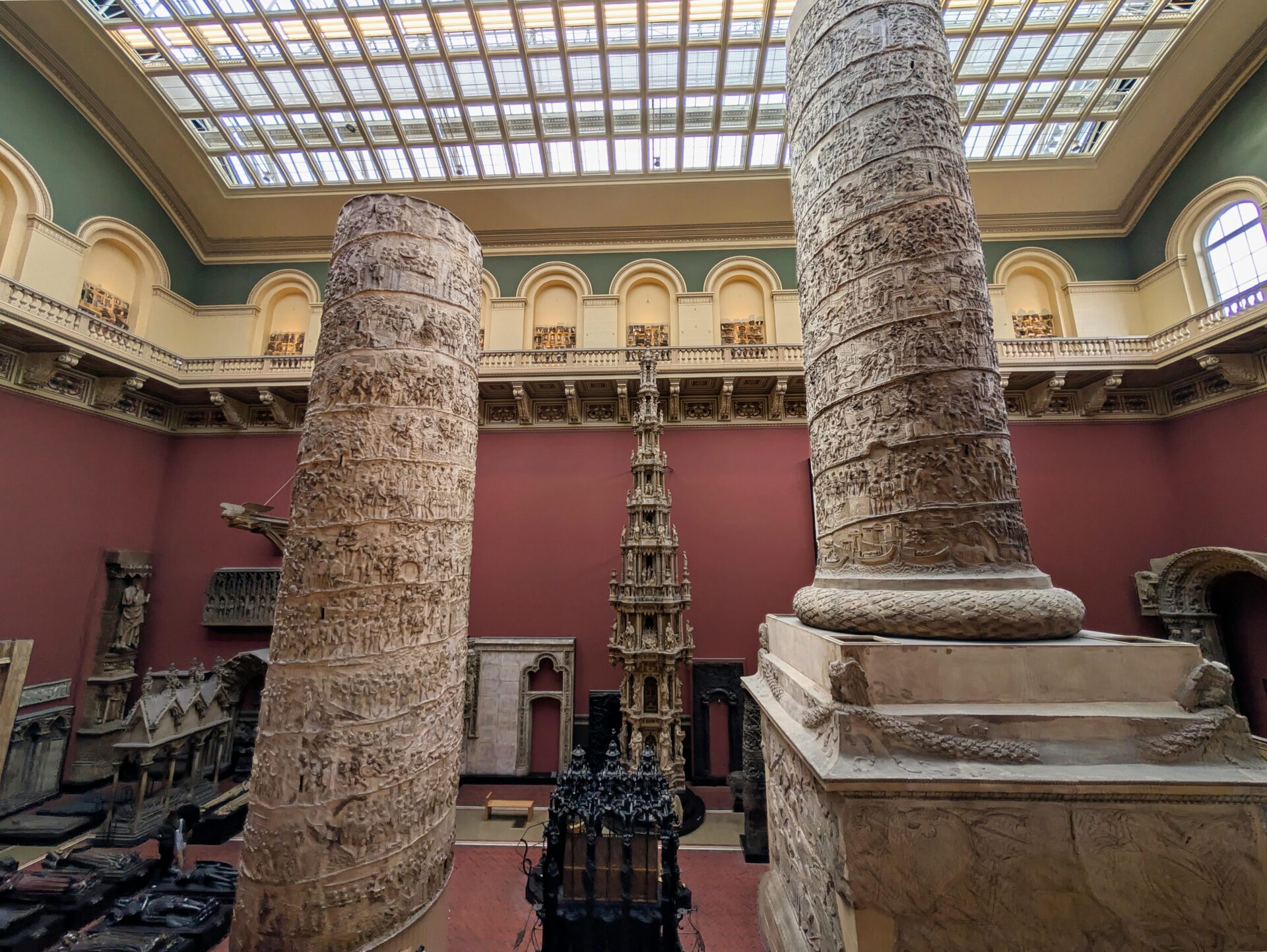
European exhibitions have long served as windows into the societies that produced them, reflecting cultural, political, and economic priorities across different historical periods. From the grand World’s Fairs of the 19th century to specialized art exhibitions of the modern era, these events reveal not only aesthetic and technological achievements but also societal values, ambitions, and anxieties. Exhibitions are mirrors of their times, capturing what a society chooses to celebrate, critique, or hide from public view.
The 1851 Great Exhibition in London, held in the iconic Crystal Palace, is often cited as the first truly international showcase of industrial and artistic innovation. It celebrated the technological prowess of the British Empire and its allies while projecting a vision of modernity, progress, and industrial dominance. Through its displays of machinery, textiles, and raw materials, the exhibition communicated a message about the power of human ingenuity and industrial capitalism. Yet it also subtly reinforced social hierarchies: the grandeur of the architecture and the lavish presentation of certain exhibits emphasized the authority and wealth of the elite, highlighting the inequalities inherent in Victorian society.
Similarly, the Exposition Universelle of Paris in 1889, famous for the debut of the Eiffel Tower, combined technical innovation with national pride. France used the exhibition to assert itself as a center of culture and modernity after the humiliations of the Franco-Prussian War. Beyond the technological marvels, artistic displays highlighted the nation’s identity and aesthetic ideals, reflecting the values and aspirations of French society at the time. These exhibitions functioned as both educational platforms and tools of soft power, demonstrating that what a society chooses to exhibit often carries political and cultural significance beyond mere spectacle.
European exhibitions also reveal the dynamics of global influence and colonial ambition. Many events included pavilions showcasing colonial territories and their resources, often presented through the lens of European superiority. The display of “exotic” artifacts, people, and technologies reinforced notions of cultural hierarchy and imperial entitlement, exposing the ethnocentric perspectives of the time. Yet, in doing so, these exhibitions also unintentionally preserved knowledge of distant cultures, creating complex legacies that reflect both oppression and curiosity. By examining the contents and organization of historical exhibitions, historians can better understand societal attitudes toward race, labor, industry, and international relations during specific periods.
Art Exhibitions as Reflections of Cultural Identity
While industrial and world fairs emphasized technological progress, art exhibitions in Europe reveal the subtler ways societies express cultural identity, values, and tensions. From the Paris Salons of the 18th and 19th centuries to the Venice Biennale of the 20th century, art exhibitions provide insight into the aesthetic, philosophical, and social priorities of their time. They reveal what societies value as beautiful, important, or provocative and indicate how artistic trends interact with politics, economics, and social change.
The Paris Salon, for example, was both a prestigious platform for artists and a mechanism for establishing artistic authority. The juries that selected works for display wielded considerable power, determining which styles and subjects were deemed acceptable. The rise of Impressionism in the late 19th century, with artists like Monet and Renoir challenging academic norms, illustrates how exhibitions can reflect broader social tensions, including resistance to authority and the democratization of taste. The public debates that these exhibitions provoked demonstrate that art was not only a matter of personal expression but also a vehicle for societal dialogue and critique.
Modern art exhibitions continue to reveal societal preoccupations. The Venice Biennale, established in 1895, has become a barometer of contemporary cultural and political concerns. Countries use national pavilions to project their identities, values, and priorities onto an international stage. The selection of artists, themes, and even exhibition design often communicates political stances, social critique, or aspirations for cultural influence. By examining recurring motifs and curatorial choices, one can discern broader societal trends, such as growing concern for climate change, social justice, migration, or the tension between tradition and modernity.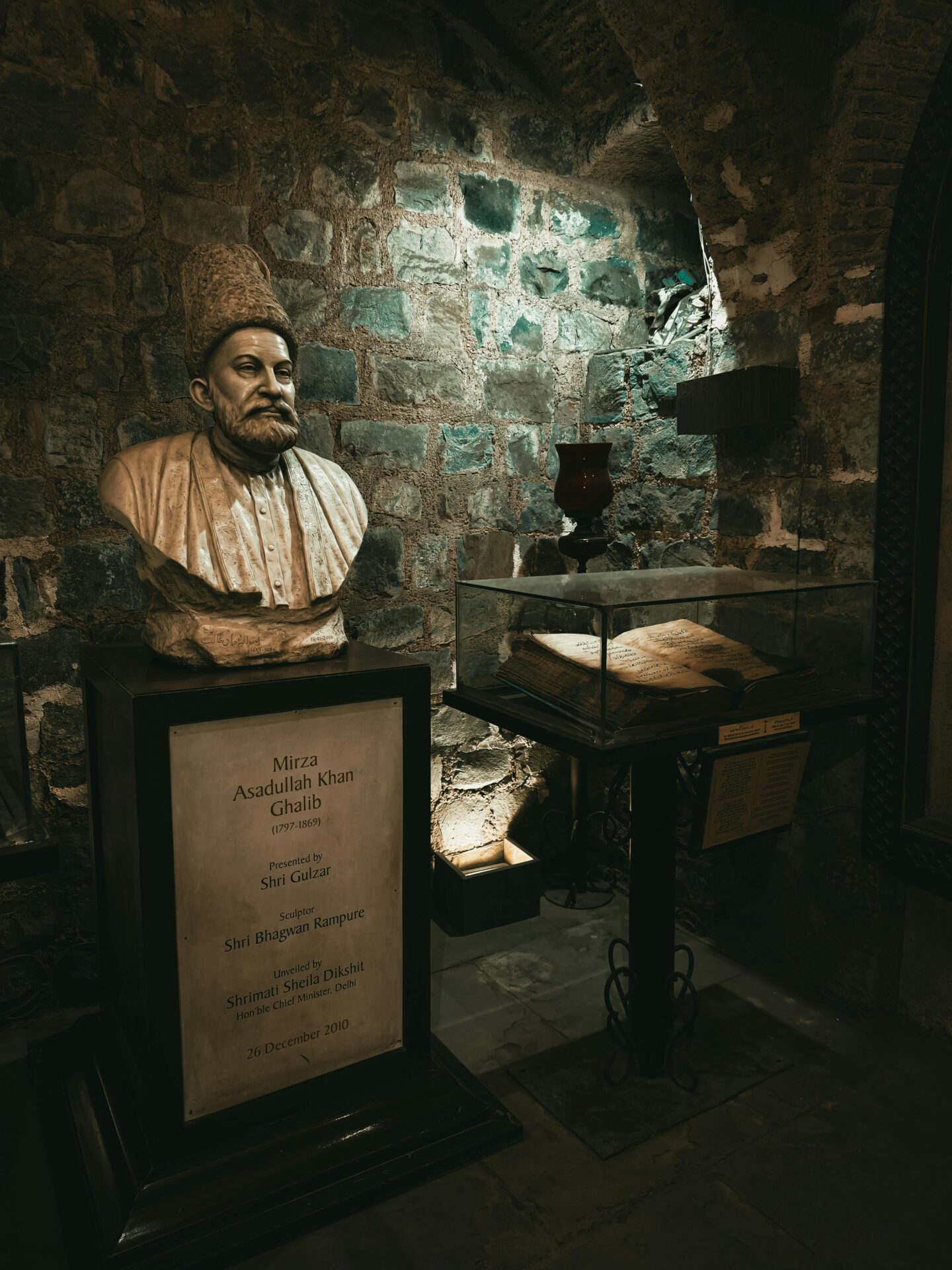
Art exhibitions also illustrate shifts in access and inclusivity. Historically, European exhibitions were often elitist spaces, reflecting the tastes of the upper classes or institutions of power. Over time, however, there has been a deliberate effort to expand audiences and include more diverse voices, reflecting changing societal values around representation and democracy in cultural life. The increasing visibility of women artists, minority voices, and experimental forms of artistic expression reveals societies grappling with questions of equality, identity, and the role of art in public life. In this sense, art exhibitions are both mirrors and catalysts, reflecting existing societal norms while simultaneously challenging them.
Technological and Industrial Shows as Mirrors of Progress
Industrial and technological exhibitions provide an even more direct reflection of societal priorities, ambitions, and anxieties related to progress. The World’s Fairs of the 19th and early 20th centuries were showcases not only of innovation but also of national pride and economic aspiration. By analyzing the machinery, inventions, and infrastructure highlighted in these exhibitions, we can trace how societies envisioned progress and valued technological advancement.
The 1862 International Exhibition in London, for instance, emphasized mechanical innovation and engineering feats. Steam engines, textile machinery, and other industrial devices dominated the displays, demonstrating society’s obsession with efficiency, productivity, and economic growth. These exhibitions often celebrated technological mastery as a marker of national superiority, linking industrial prowess to cultural and political prestige. At the same time, the prominence of labor-saving devices reflected societal concerns about labor, productivity, and the organization of work, providing a glimpse into the economic anxieties of the period.
European exhibitions also reveal the aspirational and aspirationally performative dimensions of technology. The Exposition Universelle of 1900, for instance, included electric lighting, moving sidewalks, and early film technology, emphasizing a vision of modern life that was both futuristic and attainable. Such exhibitions communicated a society’s belief in human ingenuity and the inevitability of progress, while simultaneously framing technology as a marker of civilization and sophistication. They demonstrate how innovation was both a practical tool and a cultural statement, shaping how societies imagined their futures.
The role of spectatorship is also crucial. Visitors were not passive observers; they were invited to marvel, interact, and learn, making exhibitions sites of public engagement with technology. By observing what drew crowds and what inspired awe, historians can infer societal priorities, anxieties, and aspirations. Were people fascinated by displays of military power, new transportation methods, or agricultural innovation? The answer reveals what societies valued and feared in equal measure, whether it was the promise of industrial efficiency or the threat of social disruption.
The Political and Ideological Dimensions of Exhibitions
Finally, European exhibitions reveal much about the political and ideological priorities of the societies that staged them. From asserting national dominance to negotiating international cooperation, exhibitions were often instruments of soft power. The selection of exhibits, the organization of space, and even the narratives accompanying displays reflect deliberate choices about how societies wished to be seen and understood.
For example, exhibitions often showcased military technology, industrial capacity, and colonial holdings, reflecting the intersection of economic ambition and political ideology. The displays of colonies at the 1889 Paris Exposition Universelle, or the British Empire at the 1924 British Empire Exhibition, communicated a message of global authority and cultural superiority. These exhibitions were not neutral; they framed international relations, hierarchies of civilization, and economic influence in visual and experiential terms, shaping public perception and national identity.
Even in contemporary European exhibitions, political and ideological dimensions are present, though often more subtle. Art biennales, design expos, and science fairs continue to reflect societal debates, such as environmental sustainability, gender equality, and technological ethics. By studying which topics are highlighted, which voices are amplified, and which perspectives are marginalized, we can infer the values and tensions present in contemporary European societies. In this way, exhibitions act as cultural barometers, offering insights into both the overt and subtle forces that shape social priorities and collective consciousness.
In conclusion, famous European exhibitions reveal society in multiple dimensions—technological, artistic, political, and moral. They serve as reflections of cultural identity, markers of national pride, expressions of economic ambition, and instruments of ideological messaging. By examining the objects, spaces, performances, and narratives presented in these exhibitions, historians and cultural observers can discern societal values, anxieties, and aspirations across time. Whether through the grandeur of the Crystal Palace, the spectacle of the Eiffel Tower, or the cutting-edge design of a contemporary art biennale, European exhibitions offer a rich lens for understanding the social, cultural, and political currents that have shaped Europe—and, by extension, the modern world. They are not merely events or displays; they are cultural texts, offering enduring insights into how societies see themselves, wish to be seen, and aspire to evolve.