
 By Wayne Peterson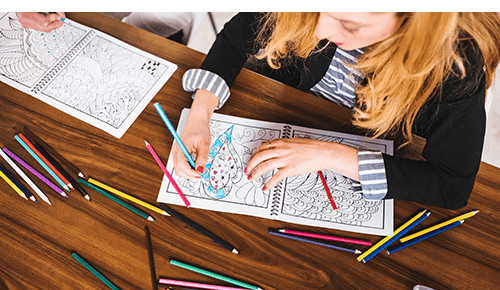
Rediscovering a Forgotten Pleasure
For most people, coloring is tied to early memories of childhood—wax crayons, thick outlines, and the simple joy of staying within the lines. It was considered a preparatory activity, a way to develop motor skills before “real” creative work began. Once childhood ended, coloring was left behind, replaced by pursuits deemed more mature or productive. Yet in recent years, coloring has made an unexpected and powerful return, this time firmly rooted in adult life. No longer dismissed as childish, it has evolved into a serious hobby embraced by millions seeking relaxation, self-expression, and even personal growth.
This transformation did not happen overnight. It reflects broader cultural shifts in how adults relate to creativity, mental health, and leisure. Coloring’s rise speaks to a generation reevaluating the value of slow, tactile activities in an increasingly digital world.

From Educational Tool to Cultural Afterthought
Historically, coloring was never intended to be trivial. In the late nineteenth and early twentieth centuries, coloring books were introduced as educational tools. Progressive educators believed that structured coloring helped children develop discipline, patience, and coordination. Early books often featured moral themes, historical scenes, or nature illustrations meant to instill values alongside skills.
As industrialization accelerated and mass education systems expanded, coloring became standardized as a childhood pastime. Its educational roots faded from public consciousness, replaced by the idea that coloring was merely a way to keep children occupied. By adulthood, engaging in such an activity was often associated with immaturity or regression, a perception that persisted well into the late twentieth century.
The Cultural Shift Toward Mindful Leisure
The adult coloring renaissance cannot be understood without considering changing attitudes toward time and productivity. Modern life increasingly blurs the boundary between work and rest. Smartphones, email, and social media ensure that mental labor rarely stops, even during supposed downtime. In response, many adults began seeking activities that were deliberately low-pressure and non-competitive.
Coloring fit this need perfectly. Unlike hobbies that demand mastery, performance, or public display, coloring offers a contained experience. There is no requirement to invent from scratch or impress an audience. The task is simple but absorbing, allowing the mind to settle into a state of focused calm. This cultural hunger for mindful leisure created fertile ground for coloring’s revival.
The Influence of Adult Coloring Books
A major turning point came in the early 2010s with the publication of intricately designed coloring books aimed explicitly at adults. These books departed radically from children’s versions. Instead of cartoon characters and bold outlines, they featured elaborate mandalas, botanical patterns, fantasy scenes, and architectural designs.
The success of these books was unprecedented. They topped bestseller lists, were translated into dozens of languages, and sparked a global trend. Crucially, they reframed coloring as sophisticated and intentional. The act of choosing colors, experimenting with shading, and completing complex designs appealed to adults who wanted creativity without the intimidation of a blank canvas.
Publishers marketed these books not as toys but as tools for stress relief, self-care, and artistic exploration. This shift in framing helped legitimize coloring as a respectable adult pursuit.

Coloring and the Science of Relaxation
Scientific research further reinforced coloring’s appeal. Psychologists began studying its effects on stress and anxiety, finding that structured coloring can induce a meditative state similar to mindfulness practices. The repetitive motion, combined with focused attention, reduces mental chatter and promotes relaxation.
Unlike free drawing, which can sometimes provoke self-criticism or creative anxiety, coloring provides boundaries. These boundaries paradoxically create freedom by removing the pressure to decide what to draw. For adults accustomed to constant decision-making, this reduction in cognitive load is profoundly soothing.
While coloring is not a replacement for therapy, many adults report that it helps manage daily stress, improve mood, and create a sense of calm after demanding workdays.
A Gateway to Artistic Confidence
Another reason coloring has gained traction is its role as an entry point into broader artistic exploration. Many adults carry unexamined beliefs that they are “not creative,” often rooted in early criticism or comparison. Coloring gently challenges this narrative.
Through experimenting with color palettes and techniques, individuals begin to trust their aesthetic instincts. Over time, this confidence can spill into other creative areas such as painting, illustration, or design. Coloring becomes less about filling spaces and more about personal interpretation, with each finished page reflecting individual taste and emotional state.
This accessibility has made coloring particularly appealing to adults who admire art but feel excluded from it due to perceived lack of talent.
Community, Sharing, and Digital Platforms
Although coloring is often practiced alone, it has also become a social activity. Online communities dedicated to adult coloring flourish across social media platforms. Enthusiasts share completed pages, exchange advice on materials, and celebrate each other’s progress.
These communities play a crucial role in sustaining the hobby. They normalize adult coloring, counteracting lingering stigma by showcasing the diversity of people who enjoy it. Professionals, retirees, parents, and artists alike participate, reinforcing the idea that creativity has no age limit.
The digital sharing of analog work also creates a satisfying balance. While the activity itself is offline and tactile, its results can be documented and appreciated in online spaces, bridging two worlds rather than rejecting technology outright.
The Role of Quality Materials
As coloring matured into a serious hobby, the tools evolved as well. Adult colorists invest in high-quality pencils, markers, and paper, often learning technical skills such as blending, layering, and shading. The sensory pleasure of using well-crafted materials enhances the experience, making coloring feel intentional rather than disposable.
This investment signals commitment. Much like knitting needles, musical instruments, or fitness equipment, coloring supplies represent a personal dedication to the hobby. The act of selecting colors and maintaining tools becomes part of the ritual, deepening emotional engagement.

Coloring as Personal Ritual
For many adults, coloring has become more than an occasional pastime. It functions as a ritual—a protected space in the day reserved for oneself. Whether practiced in the morning as a centering activity or in the evening as a way to unwind, coloring provides structure in an otherwise chaotic schedule.
This ritualistic quality aligns coloring with other reflective practices such as journaling or meditation. It offers a sense of continuity and control, reminding individuals that small, consistent acts of care can have a meaningful impact on well-being.
Challenging the Notion of “Childish” Joy
Perhaps the most significant aspect of coloring’s evolution is what it reveals about adulthood itself. For generations, maturity was defined by the abandonment of childlike pleasures in favor of seriousness and responsibility. Coloring’s resurgence challenges this assumption.
Adults are increasingly rejecting the idea that joy must be earned through productivity or suffering. Engaging in coloring is a quiet act of defiance against a culture that equates worth with output. It asserts that pleasure, play, and creativity are not rewards for children but necessities for human flourishing at any age.
A Reflection of Broader Cultural Change
The rise of adult coloring mirrors wider movements emphasizing mental health, self-compassion, and work-life balance. It aligns with trends such as mindfulness, slow living, and the revival of handmade crafts. Together, these shifts suggest a reevaluation of what it means to live well in a fast-paced, performance-driven society.
Coloring’s simplicity is its strength. It does not promise transformation or mastery, only presence. In a world saturated with complexity, this modest promise is profoundly appealing.
More Than Filling in the Lines
What began as a childhood exercise has become a meaningful adult practice, reshaped by cultural needs and personal desires. Coloring’s evolution reflects a deeper truth about creativity: it does not belong to a specific age, skill level, or outcome. It belongs to the act itself.
By reclaiming coloring, adults are not regressing but expanding their understanding of leisure, creativity, and self-care. The colored pages may be quiet and private, but the movement they represent is anything but trivial. Coloring is no longer child’s play—it is a serious, restorative, and deeply human way of engaging with the world.