 By Wayne Peterson
The Quiet Revival of an Ancient Art
In a world saturated with glowing screens, instant notifications, and mechanical fonts, the slow scratch of a pen across paper feels almost radical. Calligraphy, once considered a fading craft tied to monasteries and imperial courts, has found new life in the hands of a generation craving calm, individuality, and tactile connection. What was once a practical skill for transmitting sacred texts has transformed into a global hobby, shared across social media, practiced in bedrooms and cafés, and celebrated as both art and therapy. The rising popularity of calligraphy is not merely a nostalgic return to the past; it is a cultural response to a digital age that has left many people longing for rhythm, focus, and meaning in the creative process.

From Sacred Script to Personal Expression
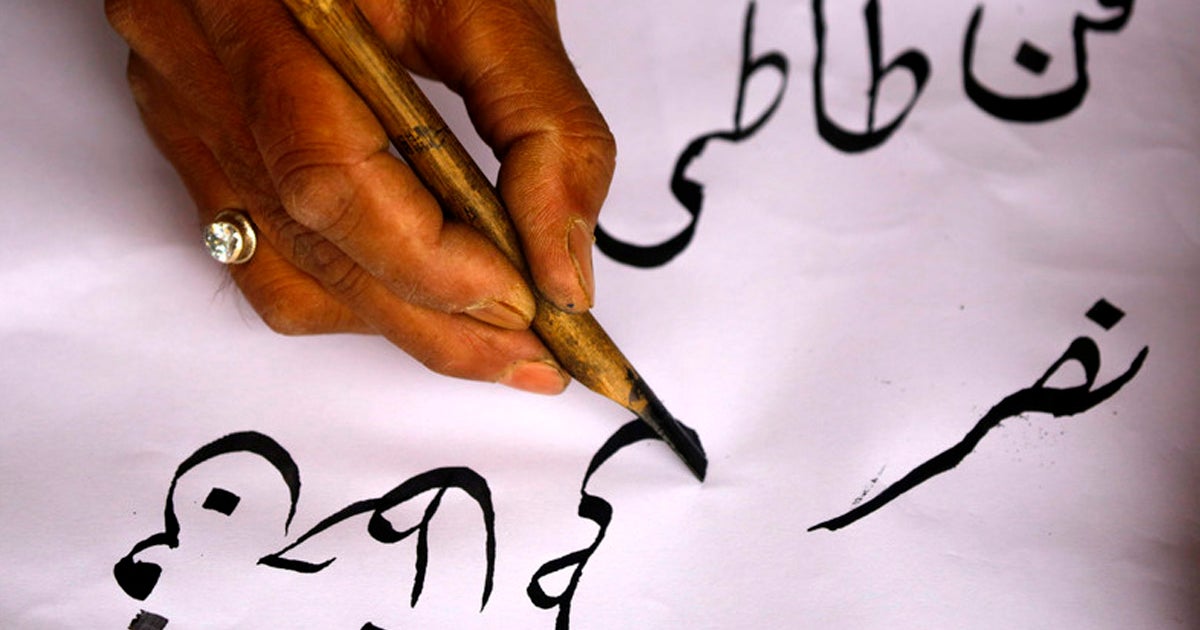
For centuries, calligraphy was a discipline of devotion. In East Asian traditions, brush and ink were treated as extensions of the soul, and mastery of stroke order was treated almost like a spiritual path. In Islamic cultures, calligraphy became a sacred art that honored the divine through the careful shaping of words when figurative imagery was restricted. In medieval Europe, monks bent over manuscripts in cold stone rooms, believing that each letter carried moral and spiritual weight.
Today’s calligraphy hobbyists are not copying holy texts in candlelit rooms, but the philosophical roots of the practice remain. The act of writing slowly and intentionally still carries a quiet reverence. Modern practitioners often describe the process as meditative, even when they are creating wedding invitations, motivational quotes, or decorative journal pages. The connection between hand, ink, and breath continues to be central, transforming writing from a functional act into a form of embodied mindfulness.
The Rebellion Against Digital Perfection
One of the most powerful reasons calligraphy resonates with younger generations is its defiance of digital sterility. Fonts on screens are flawless, consistent, and endlessly reproducible. There is no room for tremor, pause, or accident. Calligraphy, by contrast, celebrates the imperfect. A line may thicken unexpectedly, a curve might wobble, and ink can pool or splatter. These “flaws” are not failures but signatures of the moment.
This aesthetic of imperfection feels like a quiet act of rebellion. In a culture obsessed with filters, algorithms, and artificial perfection, calligraphy offers something irreducibly human. Each stroke exists only once, bound to the pressure of the hand and the state of the mind. The page becomes a record of time spent, errors made, breath taken. For many, this is deeply comforting. It returns creativity to the realm of process rather than product and embraces the beauty of being unrepeatable.
Calligraphy as a Gateway to Mindfulness
Mental health conversations have become more open, and mindfulness practices such as meditation, breathwork, and journaling are now mainstream. Calligraphy fits naturally into this landscape. Unlike scrolling through a feed or watching a video, calligraphy demands complete attention. The mind must stay present to control the nib angle, ink flow, and pressure. Distractions fade because a single lapse in focus can result in a broken stroke or a blot of ink.
The repetitive nature of forming letters induces a state similar to meditation. Breathing slows, muscles relax, and the nervous system shifts toward calm. The mind, often overloaded by constant choices and notifications, finds relief in the clear, structured task of shaping lines and curves. Many people who struggle with traditional meditation find that calligraphy gives them the same mental clarity, but through movement rather than stillness.

The Influence of Social Media and the Visual Renaissance
It may seem ironic that a hobby rooted in slowness owes much of its revival to fast-moving digital platforms. Instagram, TikTok, and YouTube have played enormous roles in making calligraphy feel accessible and desirable. Short videos of ink flowing from a brush pen, or time-lapse clips of a phrase forming letter by letter, capture attention with their hypnotic quality. The visual satisfaction of watching a blank page fill with graceful strokes is deeply appealing, and these platforms have turned calligraphy into a shared, communal experience rather than a solitary one.
Online tutorials, virtual workshops, and global challenges have created a sense of belonging around the craft. Beginners no longer feel isolated. They can compare progress, find inspiration, and receive encouragement from people across the world. This digital infrastructure has transformed calligraphy from a niche art into a vibrant, evolving culture.
The Low Barrier of Entry and the Joy of Learning
Another key reason calligraphy has become a generational hobby is its accessibility. Unlike many art forms that require years of training or expensive equipment, calligraphy can be started with a simple pen and paper. Brush pens, markers, and practice sheets are widely available and affordable. This low barrier of entry makes the hobby attractive to students, young professionals, and anyone seeking a creative outlet that doesn’t demand a formal education.
The learning curve is both gentle and rewarding. Small improvements are visible quickly. A beginner can watch their shaky lines turn smoother within days. This sense of tangible progress is incredibly motivating in a world where many achievements are abstract and slow to appear. Calligraphy offers instant feedback and a reliable sense of growth, which is especially appealing to a generation accustomed to rapid digital responses but hungry for real-world accomplishment.
The Rise of Analog Luxury
In recent years, there has been a growing appreciation for “analog luxury,” the idea that physical, handcrafted experiences are more valuable because they are rare in a digital world. Vinyl records, film photography, handcrafted ceramics, and fountain pens have all enjoyed revivals, and calligraphy fits perfectly into this movement. High-quality paper, shimmering ink, and carefully balanced pens feel indulgent because they ask the user to slow down and savor the experience.
This tactile pleasure is central to the hobby’s appeal. The slight resistance of paper under a nib, the smell of ink, the soft sound of strokes forming are sensory experiences that screens cannot replicate. In this way, calligraphy becomes not just an artistic practice, but a form of sensory self-care.
Identity, Aesthetics, and the Desire for Uniqueness
Younger generations live in a world where identity is often curated and displayed online. Ironically, the tools of personalization are mostly standardized. Everyone uses the same keyboards, the same emojis, the same system fonts. Calligraphy offers a way to reclaim individuality through handwriting. No two people’s strokes are identical, even when they follow the same style.
This personal aesthetic becomes deeply meaningful. People develop their own flourishes, spacing, and rhythm. The act of signing one’s name in calligraphy can feel like reclaiming a sense of authorship over one’s own story. For a generation navigating questions of identity, authenticity, and expression, this handcrafted symbolism carries powerful emotional weight.
Calligraphy as a Bridge Between Generations and Cultures
Another reason for the hobby’s widespread appeal is its ability to connect people across time and culture. Someone practicing modern brush lettering in Europe might unknowingly echo techniques developed in ancient China. A teenager learning Gothic script may feel connected to medieval scribes who worked centuries ago. This sense of continuity gives calligraphy a depth that many modern hobbies lack.
Workshops and community spaces often bring together people of different ages and backgrounds. Grandparents and grandchildren can share techniques. Immigrants can reconnect with scripts from their home cultures. Calligraphy becomes a bridge, not only between eras, but between people.
The Therapeutic Power of Slowness
Perhaps the most profound reason calligraphy resonates with this generation is its insistence on slowness. Modern life is structured around speed: fast communication, fast productivity, fast entertainment. Calligraphy refuses to be rushed. Ink must dry. Strokes must be deliberate. Errors cannot be undone with a shortcut key.
This enforced slowness is not a limitation but a gift. It teaches patience in an age of immediacy. It restores the sense that time spent on something can be meaningful even if it produces nothing of practical value. For many, this is deeply healing. It offers a refuge from performance-based worth and productivity anxiety, replacing them with presence and gentle discipline.
A Living Tradition in a Restless World
Calligraphy is becoming the hobby of a generation because it offers what modern life so often withholds: stillness, authenticity, and connection. It is at once ancient and modern, solitary and communal, disciplined and free. It allows people to slow their breathing, steady their hands, and, for a few quiet moments, exist entirely in the present.
Ink flows, the mind clears, and the page accepts everything without judgment. In that simple exchange between pen and paper, many have found not just a hobby, but a refuge. In a restless world, calligraphy stands as proof that beauty does not need to be rushed, and that the most meaningful revolutions can begin with something as small and humble as a single, deliberate stroke.