
 By Wayne Peterson
The Art of the Unusual
In a world where digital screens and routine tasks dominate daily life, the need for creativity and expression often finds refuge in the most unexpected corners. Hobbies, once simple leisure pursuits, have evolved into complex art forms that challenge the limits of imagination and craftsmanship. Beyond knitting, gardening, or stamp collecting, a new generation of enthusiasts is embracing extraordinary hobbies that blend art, science, and spectacle. From chiseling frozen blocks into shimmering masterpieces to transforming grains of sand into intricate castles, these pastimes reveal the human drive to shape beauty from the ephemeral and the extreme.
Exploring these unusual hobbies is like stepping into an alternate dimension of creativity, where time, patience, and precision meet the raw forces of nature. Each activity tells a story about human ingenuity, the power of community, and the joy of creating something uniquely transitory yet profoundly impactful.
Ice Sculpting: The Ephemeral Elegance of Frozen Art
Among the most visually arresting of all unusual hobbies is ice sculpting, a discipline that transforms an everyday material into a gleaming expression of artistry. Practiced in frigid studios or under the open winter sky, ice sculpting blends brute force and delicate finesse. Artists wield chainsaws, chisels, and torches to craft figures that may last only hours before melting away.
The beauty of ice sculpting lies in its impermanence. Each sculpture is born with an expiration date, a fleeting existence that makes its creation all the more poignant. The process demands both physical endurance and mental precision. Sculptors must account for the subtle variations in ice density, the way light refracts through the material, and the ambient temperature that can alter its texture within minutes.
International competitions, such as those held in Harbin, China, or Fairbanks, Alaska, have elevated ice sculpting to a professional art form. These events showcase elaborate scenes — dragons mid-flight, frozen palaces, and lifelike portraits — all carved from blocks of ice that weigh hundreds of kilograms. For the artists, the work is both a test of technical mastery and a meditation on the transience of beauty. In the end, the inevitable melt becomes part of the performance, a reminder that even the most perfect creation is subject to nature’s laws.

Sandcastle Architecture: Engineering on the Shoreline
If ice sculpting is the poetry of winter, sandcastle building is the architecture of summer. What once began as a childhood pastime has evolved into an international art form known as sand sculpting or sandcastle architecture. Using only sand and water, these creators design towering structures that rival real-world cathedrals in complexity and grandeur.
Professional sand sculptors use carefully refined techniques to build durable, detailed creations. The secret lies in the perfect sand-to-water ratio, compression, and layering. Sculptors use tools ranging from simple shovels to fine carving knives, slowly transforming heaps of sand into figures, monuments, or entire fantasy worlds. The challenge comes not only from the material’s fragility but also from its environment — tides, wind, and sun constantly threaten to reclaim the art.
Major events like the Texas SandFest or the FIESA International Sand Sculpture Festival in Portugal draw thousands of visitors each year, showcasing colossal works that can stand several meters high. These creations blur the line between architecture and art, demanding both structural knowledge and imaginative flair. For many practitioners, sand sculpting embodies a philosophy of impermanence similar to that of ice art — beauty that exists only for a brief moment, before the tide inevitably sweeps it away.
Fire Dancing: The Dance of Danger and Discipline
Moving from frozen and sandy canvases to one of pure flame, fire dancing represents another extraordinary hobby that combines artistry, danger, and rhythm. Originating from Polynesian traditions and later evolving into a global performance art, fire dancing involves spinning or manipulating flaming tools — such as poi, staffs, or hoops — in carefully choreographed patterns.
Behind the mesmerizing trails of light lies rigorous training and discipline. Practitioners must master the physics of rotation, timing, and safety, often rehearsing for years before performing in public. The appeal of fire dancing lies in its elemental connection to risk and mastery. Each performance becomes a dialogue between control and chaos, where the dancer’s confidence transforms a potentially destructive force into a graceful, hypnotic display.
Communities of fire dancers, often linked to festivals like Burning Man or local performance troupes, share an ethos of respect for both the art and the danger it entails. Fire dancing is not just a hobby but a ritual — one that celebrates human courage, focus, and the power to turn peril into poetry.
Bonsai Cultivation: Nature as a Living Sculpture
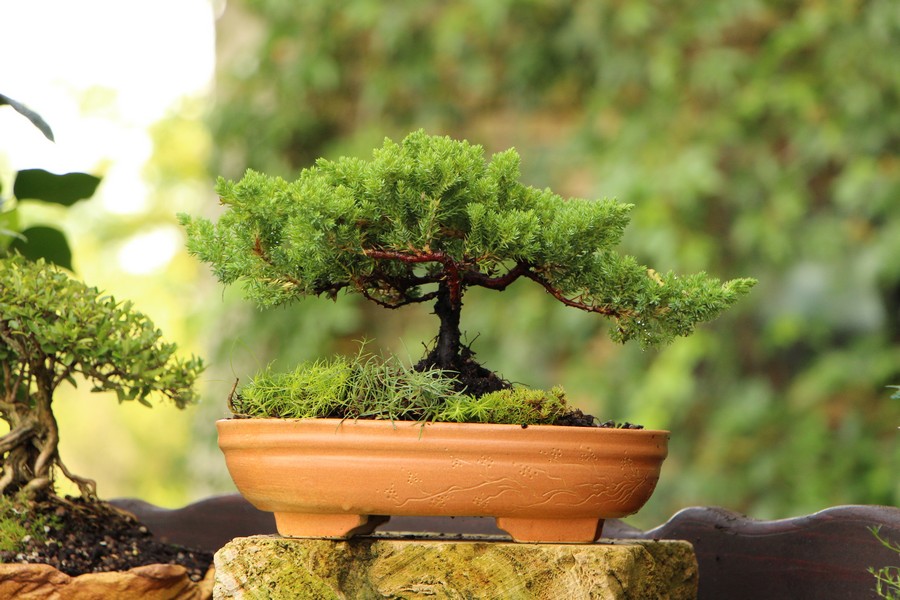
At the opposite end of the spectrum from the high-adrenaline energy of fire dancing lies the meditative world of bonsai. Originating in ancient China and refined in Japan, bonsai is the art of growing miniature trees that mimic the form and scale of full-sized counterparts.
The practice requires immense patience. A single bonsai tree can take decades to shape, with artists guiding growth through pruning, wiring, and careful attention to soil and water conditions. Unlike static sculptures, bonsai trees are living organisms that respond to their caretaker’s touch over years or even generations.
For enthusiasts, bonsai is more than a horticultural hobby; it is a lifelong dialogue between human intention and natural form. The artist does not dominate the tree but collaborates with it, finding beauty in restraint and imperfection. This harmony between control and surrender mirrors a broader philosophical tradition in Japanese aesthetics — the concept of wabi-sabi, or finding elegance in the transient and incomplete.
Lockpicking as a Puzzle Art
Another surprisingly popular yet misunderstood hobby is lockpicking. While it may sound like something out of a spy movie, for hobbyists, it’s less about breaking in and more about problem-solving. The challenge lies in understanding the mechanics of locks — small worlds of pins, tumblers, and tension.
Lockpicking communities often describe their pastime as a form of tactile puzzle-solving. It demands patience, precision, and a deep curiosity about engineering. Practitioners use specially designed picks and tension wrenches, working by feel and intuition rather than sight. The goal isn’t to bypass security but to explore the elegance of mechanical design.
Storm Chasing: Science Meets Adrenaline
For those drawn to nature’s rawest expressions, storm chasing is the ultimate extreme hobby. It combines meteorology, photography, and thrill-seeking into one intense experience. Enthusiasts pursue tornadoes, supercells, and hurricanes across open plains, armed with weather data, radar equipment, and cameras.
Though often associated with danger, storm chasing has deep scientific and artistic motivations. Many chasers document weather phenomena for research or capture breathtaking images of lightning-filled skies and rotating clouds. The pursuit requires not only courage but also expertise — understanding wind shear, barometric pressure, and storm trajectories can mean the difference between awe and catastrophe.
Competitive Dog Grooming: Whimsy Meets Precision
In the realm of eccentric yet heartwarming hobbies, competitive dog grooming holds a special place. What began as a standard grooming practice evolved into a spectacular art form involving elaborate trims, dyes, and sculptural designs. Groomers transform poodles and other breeds into living artworks — from lions and dragons to cartoon characters — all while maintaining the dog’s comfort and health.
Competitions, particularly in the United States and Japan, judge creativity, technique, and theme execution. While to outsiders it might seem whimsical or even absurd, to participants it represents a joyful fusion of artistry and animal care. The best groomers train for years to master coloring techniques that are safe for pets and to perfect designs that move naturally as the dogs strut down the runway. It’s a celebration of imagination — a reminder that creativity can flourish even in the most unconventional forms.
Glassblowing: The Dance of Fire and Breath
Few hobbies encapsulate the intersection of art and danger like glassblowing. Practiced since ancient times, it involves shaping molten glass by blowing air through a pipe and manipulating the material with precision tools. The process takes place at temperatures exceeding 1,000 degrees Celsius, demanding steady hands and unwavering focus.
Each piece — whether a vase, ornament, or abstract sculpture — is born from a delicate balance between heat, gravity, and human control. The glassblower’s every movement affects the outcome, making the craft both intensely physical and deeply meditative. Modern enthusiasts often describe the experience as hypnotic: the glowing material responding instantly to breath and motion, the studio filled with light from the furnace’s heart.

A Celebration of the Impermanent
Perhaps the greatest lesson in these extraordinary hobbies is the embrace of impermanence. Ice melts, sand crumbles, storms pass, and even the most carefully shaped bonsai must someday wither. Yet within these transient moments, beauty flourishes.
To dedicate oneself to such ephemeral arts is to accept that meaning lies not in endurance but in the act of creation itself. It’s a philosophy that echoes across all extraordinary hobbies: that life, like art, is made precious by its fleeting nature. From frozen sculptures to fiery dances, from sandy spires to swirling storms, the world of extraordinary hobbies is not just a celebration of skill — it’s a testament to the boundless imagination of the human spirit.