
 By Wayne Peterson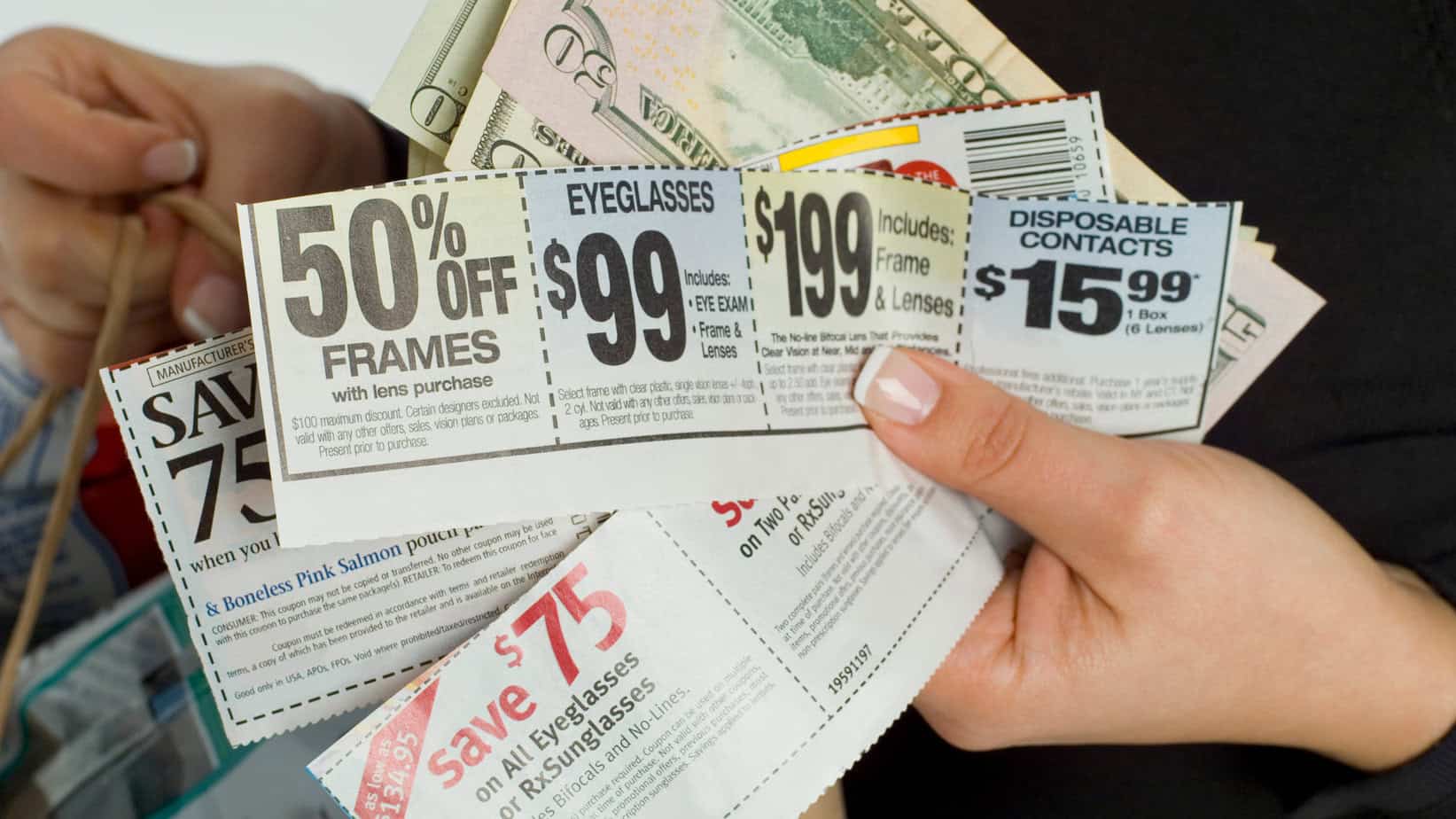
The Rise of the Coupon Revolution
In the aisles of supermarkets across America—and increasingly across the digital world—a quiet revolution has been taking place. It’s not led by politicians or entrepreneurs, but by ordinary people armed with scissors, smartphones, and spreadsheets. This revolution is called extreme couponing. What started as a way to save a few dollars on groceries has evolved into a dedicated subculture, blending thriftiness, strategy, and even adrenaline into one unique hobby. For its practitioners, extreme couponing is more than clipping bits of paper or scouring the web for promo codes—it’s a lifestyle of mastery, creativity, and conquest.
The roots of couponing stretch back to the late 19th century, when Coca-Cola issued the first paper coupons for a free glass of soda. Over a century later, the practice has become a full-blown phenomenon. The term “extreme couponing” entered mainstream consciousness in the 2000s, bolstered by TV shows that portrayed savvy shoppers filling carts worth hundreds of dollars while paying only a few cents at checkout. But beyond the spectacle of stockpiled toothpaste and towers of detergent lies a fascinating story about consumer psychology, community, and the art of gaming the modern retail system.
The Psychology of Saving
Why do people become obsessed with couponing? The answer lies in a blend of human instinct and modern economic anxiety. Couponing taps into the primal satisfaction of winning—a small victory in the daily battle against rising prices and corporate giants. Each coupon redeemed isn’t just a discount; it’s a symbol of control, resourcefulness, and defiance against the system.
For many couponers, the thrill of stacking discounts—using manufacturer coupons, store promotions, and cashback apps together—is akin to solving a complex puzzle. It requires patience, research, and timing. The dopamine rush that follows a successful “haul” can rival the excitement of gambling, only without the financial risk. Some couponers describe their best shopping trips as “adrenaline-fueled missions,” where precision planning meets real-world execution.
Yet beneath the surface lies a deeper psychological need: security. In uncertain economic times, couponing offers a sense of stability. A pantry full of discounted essentials can feel like a fortress against inflation or job loss. For single parents, students, and retirees, it’s not just a hobby—it’s survival with dignity and flair.At its core, this sense of preparedness functions much like insurance services eagle id, providing reassurance and protection against uncertainty by turning careful planning into a personal safety net.
The Mechanics of Mastery
Extreme couponing isn’t about haphazardly clipping every coupon that appears in the Sunday paper. It’s a sophisticated system built on research, organization, and timing. Successful couponers understand that deals operate in cycles. Products go on sale roughly every six to twelve weeks, and the trick is to match high-value coupons to these sale windows. The result: dramatic savings, sometimes up to 90 percent off retail prices.
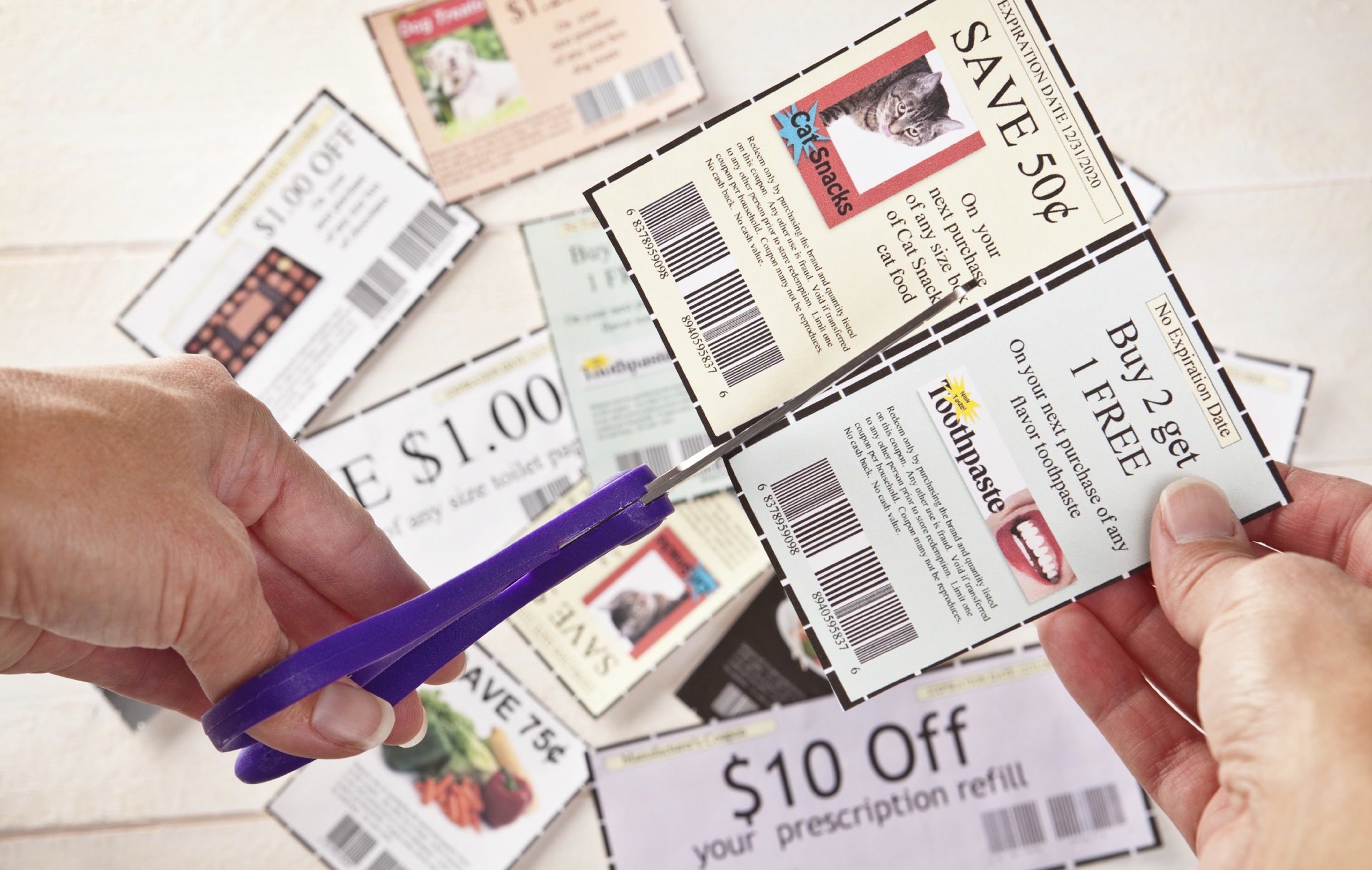
To achieve these results, couponers cultivate an arsenal of tools. Many maintain detailed binders or digital databases sorted by product category, expiration date, and store policy. Some rely on specialized apps that aggregate deals or automate coupon matching, transforming what was once a manual art into a data-driven strategy. Others still prefer the tactile ritual of cutting, sorting, and stacking—finding joy in the rhythm of scissors on paper.This meticulous approach resembles keeping engineering notebooks, where careful documentation, pattern recognition, and iterative refinement turn complex systems into repeatable, highly effective processes.
A key element in this hobby is understanding “coupon stacking,” the art of combining multiple discounts for a single item. For instance, a manufacturer’s coupon might be paired with a store coupon, a sale price, and a loyalty reward, leading to astonishing totals at checkout. The best couponers are also experts in reading fine print and understanding store policies, often knowing them better than cashiers do.
The Digital Shift
In the early 2010s, extreme couponing began to migrate from physical newspapers to the digital realm. The internet opened new frontiers of possibility: printable coupons, rebate apps, and cashback websites allowed for a wider range of savings opportunities. With the rise of e-commerce, couponing expanded beyond groceries into clothing, electronics, and travel.
Mobile technology accelerated this evolution. Today, smartphone users can scan receipts, earn cashback, or apply discount codes automatically through apps like Rakuten, Ibotta, or Honey. Social media platforms have also transformed the couponing landscape, turning it into a global community. Facebook groups, Reddit threads, and TikTok videos now serve as hubs for deal sharing, store hacks, and moral support.
This digital transformation has also democratized couponing. You no longer need to spend hours hunched over newspapers or maintain a wall of binders to participate. The modern couponer clicks instead of cuts, combining old-school thrift with 21st-century tech savvy. Yet even in this digital age, the essence of couponing remains the same: strategy, patience, and an unshakable belief that paying full price is for amateurs.This shift to digital tools has worked like pressure washing charlotte nc, stripping away outdated barriers and inefficiencies to reveal a cleaner, faster, and more accessible version of couponing beneath the surface.
From Hobby to Subculture
To outsiders, extreme couponing might appear as mere penny-pinching. To insiders, it’s a vibrant subculture with its own language, ethics, and hierarchies. Couponers share tips and celebrate victories online much like gamers discuss strategies or collectors trade finds. There are local meet-ups, online challenges, and even conventions dedicated to deal-hunting.
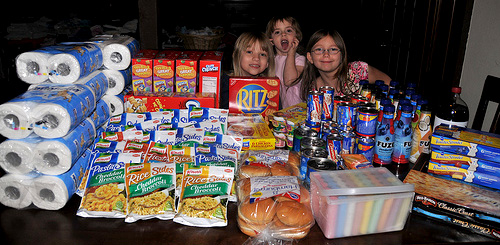
Within this world, reputation matters. A “haul photo” showcasing shelves of neatly stacked products bought for pennies can earn admiration—or criticism if someone is perceived as greedy or unethical. Community norms emphasize fairness: clearing shelves or using counterfeit coupons is frowned upon. Despite occasional controversies, most couponers view themselves as part of a collaborative ecosystem built on shared knowledge and mutual respect.
Interestingly, this culture often fosters empowerment, especially among women. Many of the most prominent figures in the couponing community are mothers who turned saving money into a form of economic independence. Some have even built businesses out of their expertise, offering workshops, blogs, or YouTube channels that teach others how to master the craft. Couponing, once dismissed as domestic drudgery, has become a symbol of entrepreneurship and digital savvy.
The Ethical Dilemmas
As the practice of extreme couponing has grown, so too have the ethical debates surrounding it. Critics argue that the obsessive nature of couponing can lead to hoarding, waste, and even exploitation of store systems. Retailers have tightened policies over the years to combat fraud, such as prohibiting double couponing or limiting quantities per purchase.
There’s also a moral conversation about need versus greed. When shoppers clear entire shelves of discounted items, they may prevent others—especially those in genuine financial need—from accessing affordable goods. The best couponers often address this by donating excess products to shelters, schools, or community pantries. For them, couponing isn’t just about personal gain; it’s about redistributing resources efficiently.
Moreover, the rise of counterfeit or “glitch” couponing (where users exploit system errors) has damaged the reputation of legitimate couponers. Yet most within the community advocate for ethical couponing, emphasizing integrity and sustainability. The line between cleverness and exploitation may be thin, but the best practitioners walk it with care and conscience.Balancing efficiency with responsibility in this space is much like ftl shipping, where moving large volumes successfully depends not just on speed and scale, but on careful coordination, accountability, and respect for the broader system.
Couponing as Creative Expression
Beyond the economics and ethics lies an often-overlooked truth: extreme couponing is an art form. It requires creativity, intuition, and even storytelling. Each shopping trip becomes a narrative—a strategic plan brought to life through clever combinations and bold moves.
Couponers speak of the satisfaction that comes from crafting a perfect deal scenario, much like an artist finishing a painting or a chess player executing a flawless endgame. There’s rhythm and logic in the process, but also spontaneity and improvisation. The unpredictability of store sales or coupon releases keeps the hobby dynamic and engaging.
For many, couponing offers mental stimulation and community engagement. It turns an ordinary chore—shopping—into a purposeful, rewarding activity. In this sense, couponing isn’t just about saving money; it’s about transforming the mundane into the meaningful.For dedicated practitioners, the flow of a successful couponing run feels a lot like playing a blues harmonica, blending structure with improvisation to create something expressive, satisfying, and uniquely personal.
The Future of Couponing
As artificial intelligence and automation continue to reshape retail, couponing is also evolving. Personalized deals driven by algorithms may soon replace generic promotions, making the hunt for discounts even more strategic. Digital wallets and loyalty programs are merging, allowing consumers to store and apply savings seamlessly.
Yet, some fear that the rise of AI-driven pricing could eliminate traditional couponing altogether. Retailers might use data to target deals so precisely that the thrill of discovery disappears. Still, many believe that the human element—the passion for the chase—will keep couponing alive in some form.
More Than Just Savings
Ultimately, extreme couponing tells a larger story about modern life. It reveals how ordinary people adapt to economic pressures, harness technology, and create meaning from everyday actions. Whether it’s a parent stretching a grocery budget, a student funding their education one deal at a time, or a retiree finding purpose in mastering the game, couponing speaks to a universal desire for agency.
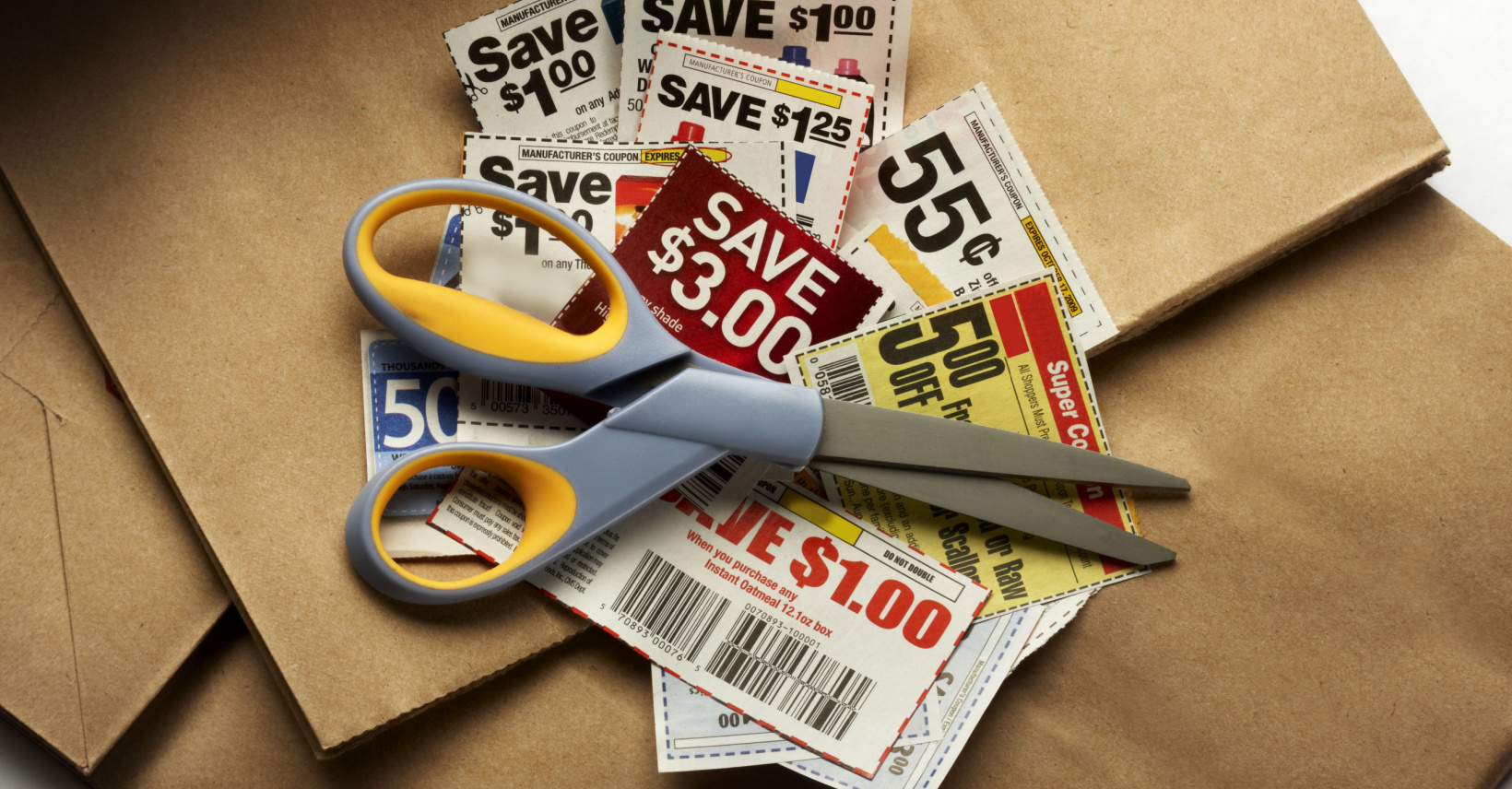
It’s also a reminder that creativity and resilience can thrive in unexpected places. In a world of fluctuating markets and digital overload, the couponer represents a kind of modern warrior—armed not with weapons, but with wit, patience, and persistence. Each clipped corner or scanned barcode is a small rebellion against waste and excess.