 By Wayne Peterson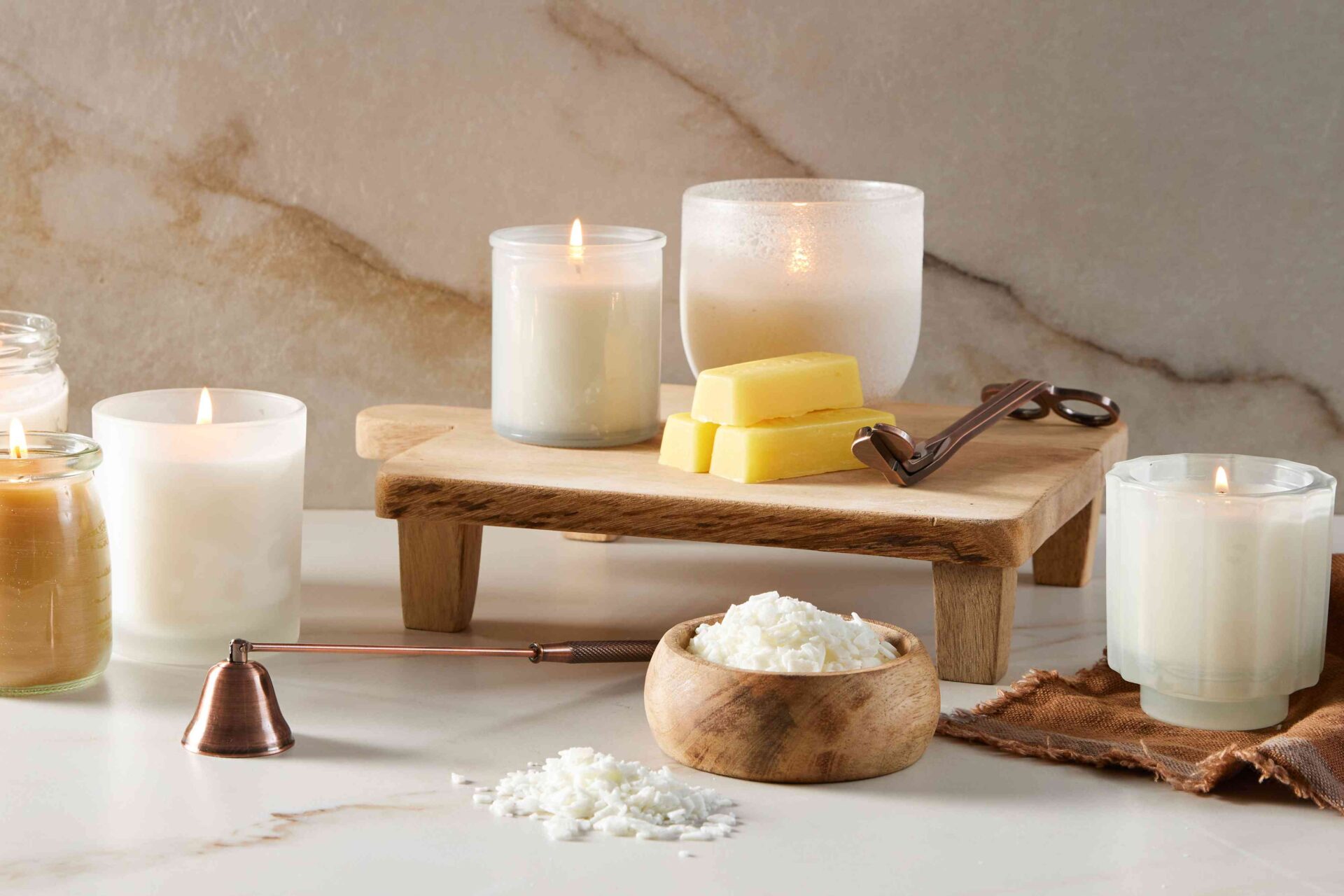
The soft glow of candlelight has followed humanity for thousands of years, shifting from a simple tool for illumination to an object of atmosphere, ritual, and emotional comfort. In recent years, candle making has experienced a resurgence not merely as a craft but as a form of self-care, mindfulness, and personal expression. In a world shaped by screens, rapid change, and constant noise, the tactile, aromatic, and rewarding nature of candle making has become a refuge. It blends creativity with slow, intentional work—an antidote to modern pressures. Understanding why this craft resonates so deeply today requires exploring its sensory richness, its meditative process, and the sense of empowerment it brings through transforming raw materials into something warm and meaningful.
The Sensory Magic of a Handmade Candle
A candle engages the senses in a way few objects do. Its scent fills a room with familiarity or fantasy. Its flame casts a warm, shifting light that invites calm. Even its texture—the smooth surface of cooling wax or the rustic imperfections of natural blends—tells a story.
For the candle maker, those sensory experiences begin long before the wick is lit. Choosing a wax means choosing the foundation of the creative journey: soy wax for its clean burn and creamy finish, beeswax for its golden hue and natural honey aroma, paraffin for strong scent throw, or coconut blends for luxury textures. Each type introduces a different tactile and aesthetic experience. Handling these materials reconnects the maker to the physical world, far from digital abstraction.
Fragrance brings its own dimension, allowing makers to sculpt mood with essential oils and fragrance blends. Lavender becomes tranquility. Citrus becomes energy. Vanilla becomes comfort. The process of mixing scent into melted wax feels like composing a personal atmosphere, drop by drop. Even the choice of jar, color, label, or decoration adds to the sensory identity of the final product. Candle making becomes a form of storytelling crafted through scent, sight, and touch.
Craft as Meditation: Finding Calm in the Creative Process
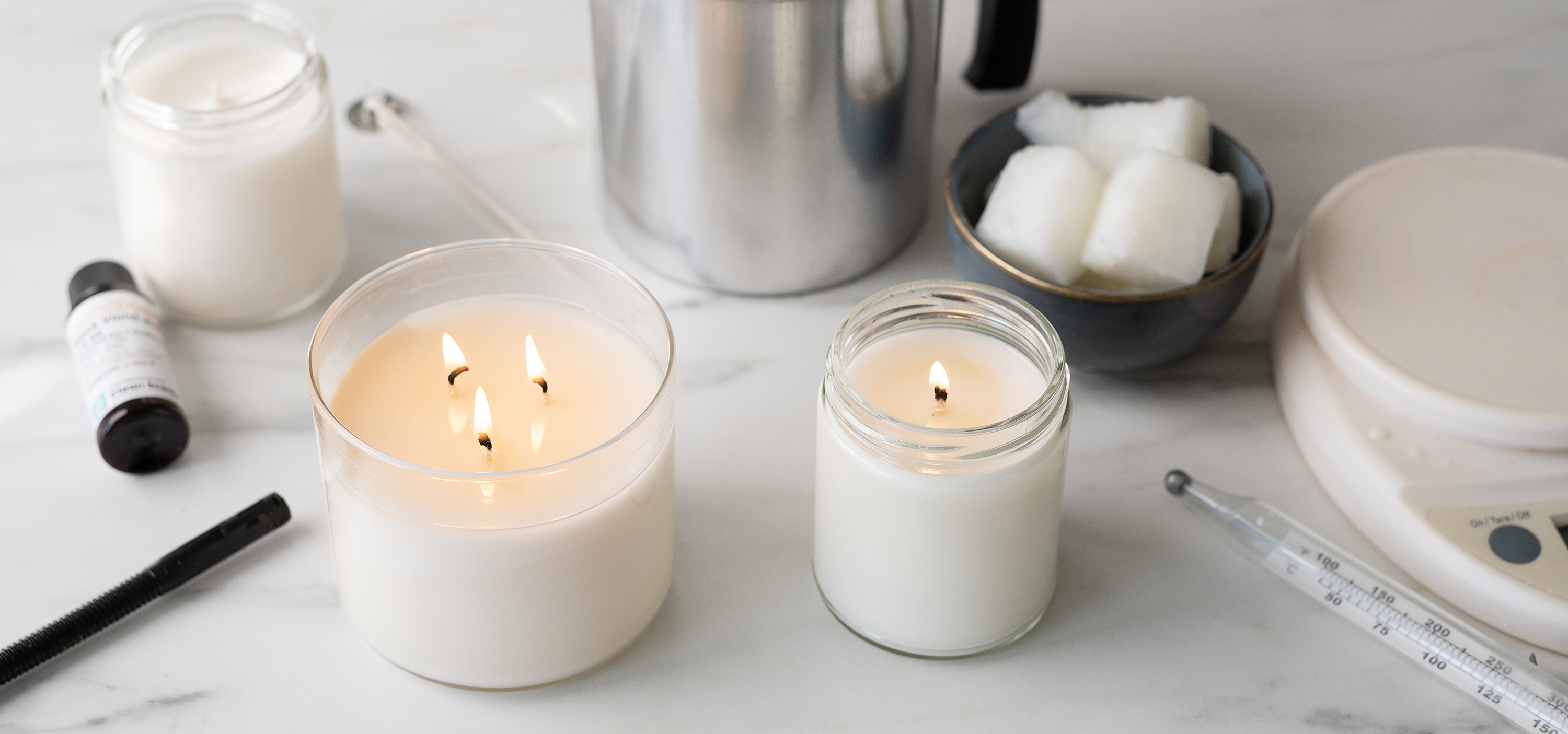
At its core, candle making asks for slowness. Wax must melt at a steady temperature, not rushed. Fragrance oils blend best with patience. Wicks must be centered carefully to ensure an even burn. The stages—from melting to pouring to curing—cannot be forced. This steady pace naturally induces mindfulness.
In a world dominated by multitasking and instant gratification, candle making offers a different rhythm. Its repetitive movements—stirring, measuring, pouring—create a meditative flow similar to knitting, pottery, or baking. The mind becomes focused yet relaxed, letting anxieties settle in the background. Many enthusiasts describe the experience as “warm therapy” because the gentle heat, soft scents, and quiet concentration create an atmosphere of inner ease.
The Joy of Personal Expression
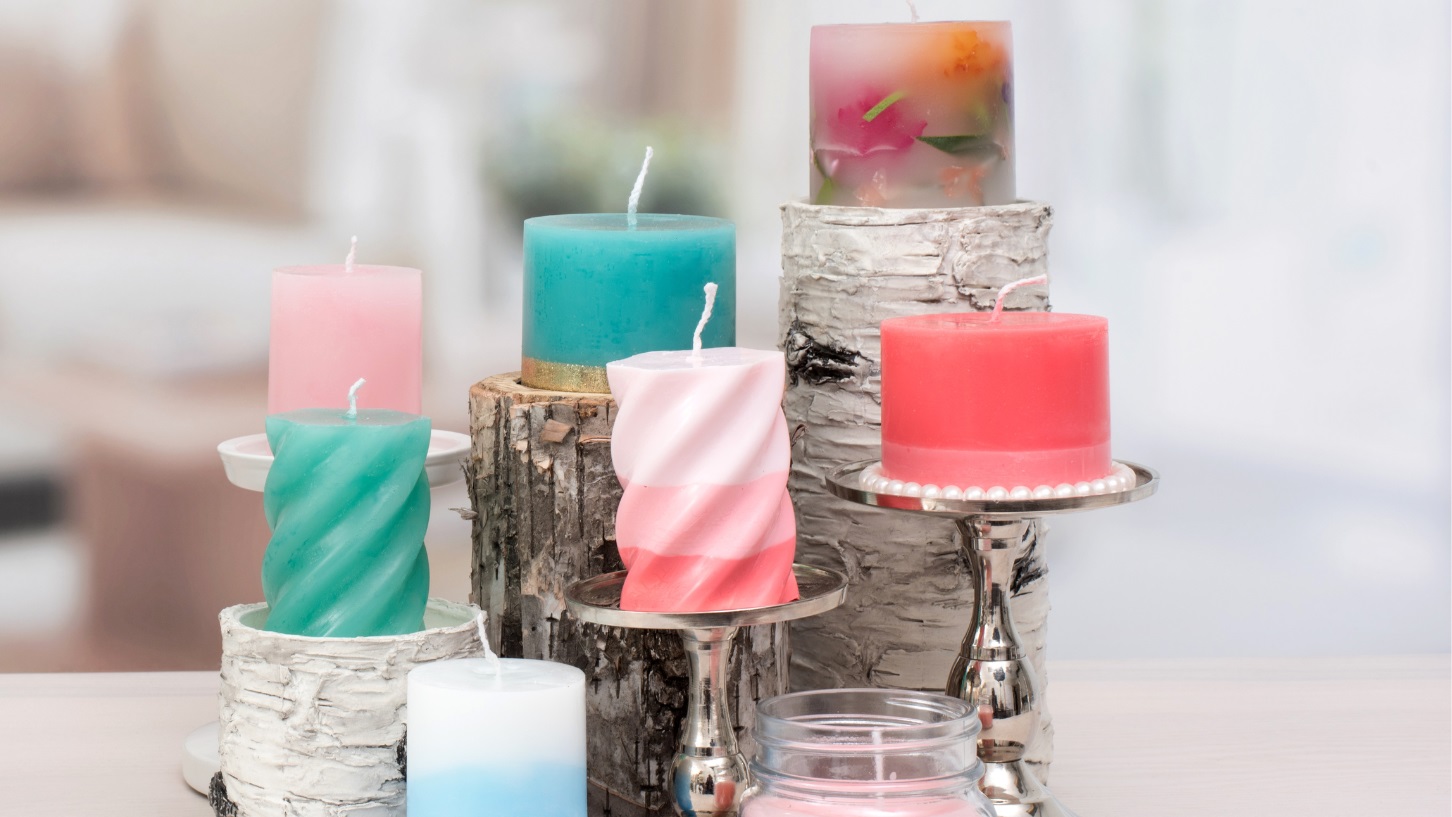
Creativity thrives when people feel free to experiment, and candle making offers endless possibilities. Colors can be bold or subtle, swirling or layered. Scents can evoke memories of childhood summers, dreamt-of landscapes, or personal rituals. Containers can be upcycled jars, delicate ceramics, sleek metal tins, or handmade vessels that turn a candle into an art piece.
For many people, candle making becomes a way to express identity and emotion. Some create seasonal blends that mark the passage of time—spiced candles for autumn, pine scents for winter, floral notes for spring. Others use candles to embody phases of life: grounding scents for stressful periods, uplifting citrus during new beginnings, soothing herbal blends when healing is needed.
The act of choosing and combining elements transforms the maker from a consumer of atmosphere into a creator of it. Instead of buying a candle that someone else designed, the crafter curates a personal universe of scent and light. This empowerment fosters confidence and joy, especially for those exploring new creative avenues.
A Bridge Between Tradition and Modernity
Candle making connects the modern enthusiast with ancient rituals and traditions. Long before electricity, candles illuminated homes, temples, and celebrations. Different cultures developed unique techniques: beeswax candles in medieval Europe, tallow candles in early households, and ornate ceremonial candles used for spiritual practices.
When contemporary makers melt wax today, they engage—perhaps unknowingly—with these long histories. The craft becomes a way of honoring slow, ancestral forms of creation that are often overlooked in the digital age. Many people find comfort in learning methods that feel grounded, natural, and enduring.
At the same time, modern innovations have expanded what candle making can be. Eco-friendly waxes, crackling wooden wicks, clean-burn fragrance oils, and sustainably sourced materials have transformed the craft into something both nostalgic and forward-looking. This blend of tradition and innovation adds depth to the experience, making it appealing to hobbyists, small-business owners, and wellness seekers alike.
The Healing Power of Scent and Flame
It’s no coincidence that candles appear in spas, yoga studios, and relaxation spaces. Their effects extend beyond decoration. Scent has a direct link to memory and emotion, and certain fragrances can influence mood and stress levels. When a maker chooses calming essential oils—such as chamomile, sandalwood, or eucalyptus—they are actively shaping their emotional environment.
Fire, too, has psychological significance. The gentle flicker of a flame has been shown to slow the heart rate and encourage deeper breathing. Watching a candle burn can become a form of visual meditation, offering grounding and comfort. For many people, lighting a candle marks a transition: the end of a workday, the beginning of a reading hour, or the start of a moment of reflection.
When the candle is one they crafted themselves, that calming experience feels even more personal. The flame becomes a symbol of their patience, creativity, and care.
Building Community Through Craft
Although candle making often begins as a solitary activity, it frequently grows into community connection. Workshops, online tutorials, local craft markets, and social media groups bring enthusiasts together to share techniques, celebrate successes, and troubleshoot challenges.
This sense of community can be especially powerful for beginners, who find encouragement from others who remember the frustrations of tunneling wicks or unstable fragrance loads. Seasoned makers often share their favorite suppliers or their experiments with complex scent blends, fostering a space of generosity and collaboration.
The growing popularity of handmade candles has also created opportunities for small businesses. Many crafters turn their hobby into a side project or full-time venture, selling their creations at farmer’s markets, online shops, or local boutiques. This entrepreneurial aspect adds yet another layer of fulfillment, allowing makers to share their creativity with others while building a meaningful livelihood.
Sustainability and Conscious Crafting
As people become more aware of environmental impacts, candle making offers a chance to craft with intention. Many hobbyists enjoy selecting sustainable materials, such as soy or beeswax, natural cotton wicks, and reusable jars. This level of control offers an alternative to mass-produced candles that may contain unhealthy additives or non-renewable components.
Upcycling plays a significant role as well. Makers often repurpose old glassware, thrifted ceramics, or empty food jars into candle containers, giving new life to objects that might otherwise be discarded. This mindfulness aligns with broader wellness practices, creating a sense of harmony between creativity, consumption, and the environment.
Even leftover wax from previous projects can be melted down to create new candles, turning scraps into fresh forms of warmth and beauty. This circular approach reinforces the idea that candle making is not just an artistic activity but also a thoughtful, sustainable one.
A Craft That Welcomes Everyone
One of the great appeals of candle making is its accessibility. Unlike many creative hobbies that require specialized tools or highly developed skills, candle making can begin with a few simple items: wax, a wick, a pot, and a container. Its learning curve is gentle but offers endless room for mastery.
Because of this, people of all ages and backgrounds find it welcoming. Children enjoy watching wax melt and change color. Adults appreciate the creative freedom and calming nature of the process. Retirees often embrace the hobby as a way to stay engaged, purposeful, and connected to others.
This inclusivity strengthens the idea that candle making is not just a craft but a creative sanctuary open to anyone seeking relaxation, inspiration, or a new passion.
The Final Flame: Why Candle Making Endures
At a time when life moves quickly and personal spaces feel increasingly digital, the simple act of crafting a candle offers a return to warmth, slowness, and human touch. Candle making nurtures the senses, calms the mind, and empowers the maker to shape their own atmosphere. It offers a meditative escape, a creative playground, and a means of self-expression that resonates deeply in a world hungry for authenticity and comfort.
Whether pursued as a quiet weekend hobby, a therapeutic ritual, or the foundation of a creative business, candle making stands out as more than a craft. It is a reminder that beauty can be made with our own hands, that peace can be found in the soft glow of a flame, and that wellness often begins with the simple act of creating something that brings light into our lives.