 By Wayne Peterson
In a world obsessed with perfection, the Japanese art of Kintsugi stands as a quiet rebellion against the flawless. This centuries-old practice, which involves repairing broken pottery with gold, silver, or platinum lacquer, elevates fractures and cracks rather than hiding them. At first glance, it might seem like a simple craft, but Kintsugi embodies a philosophy that resonates deeply with anyone seeking patience, presence, and a fresh perspective on life’s imperfections. For hobbyists, artists, and those looking for mindful practices, Kintsugi offers an experience that is both meditative and transformative.

The Origins of Kintsugi
Kintsugi traces its roots back to the 15th century in Japan, inspired by a shogun’s broken tea bowl. When the vessel shattered, local artisans attempted to repair it with metal staples. Unsatisfied with the result, they developed a more graceful method using lacquer mixed with precious metals. The philosophy was revolutionary: rather than disguising damage, Kintsugi celebrated it. The cracks, gilded and emphasized, became part of the object’s beauty and history. Over time, Kintsugi evolved beyond a practical repair technique into an art form and a metaphor for resilience.
This philosophy mirrors the Japanese concept of wabi-sabi, the appreciation of imperfection, impermanence, and authenticity. Kintsugi reminds us that life is full of cracks, and these fractures do not diminish our value—they add character and depth. This mindset transforms a simple hobby into a practice that nurtures emotional and creative growth.
The Transformative Power of Repair
There is something profoundly healing about watching a broken piece of pottery return to life. In our fast-paced culture, where broken items are often discarded without thought, Kintsugi asks us to slow down. The process requires attention, patience, and care. Mixing the lacquer, applying it precisely to the fractured edges, and waiting for it to dry is an act of mindfulness. Each step demands focus, drawing your mind away from distractions and grounding you in the present moment.
For hobbyists, this immersive engagement offers more than a decorative result—it provides a meditative experience. Many practitioners describe a sense of calm and satisfaction that comes from nurturing an object back to wholeness. Unlike painting or sculpture, Kintsugi is not about creating something entirely new; it is about honoring history, embracing imperfection, and weaving beauty into what was once considered broken.
Materials and Techniques
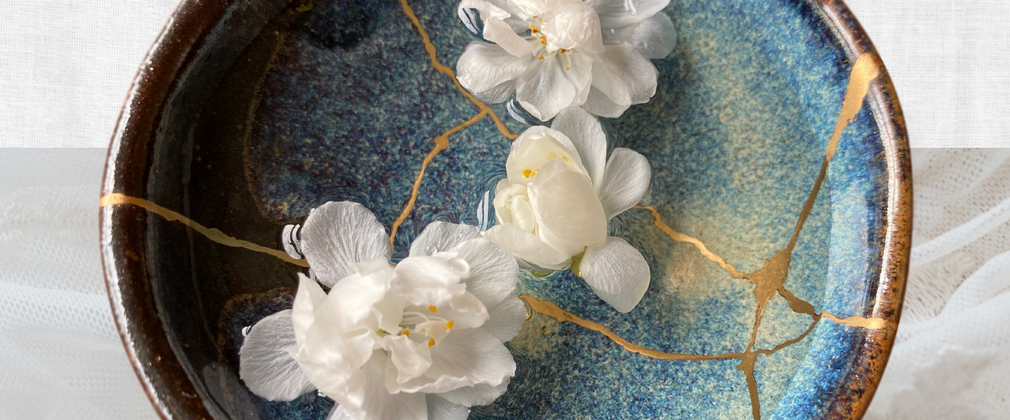
While the idea of Kintsugi seems simple, the technique requires precision and patience. Traditionally, Kintsugi uses urushi lacquer, a sap from the lacquer tree, mixed with powdered gold, silver, or platinum. The broken pieces are carefully cleaned, aligned, and bonded with lacquer. Fine cracks can also be highlighted with dusted gold, creating intricate patterns that trace the object’s history.
Modern adaptations of Kintsugi have introduced safer, more accessible materials for hobbyists, including epoxy resins and metallic powders. These alternatives allow beginners to experiment without the toxicity or long curing times of traditional lacquer. However, whether using ancient or modern materials, the essence of the practice remains the same: highlighting rather than hiding, celebrating history rather than erasing it.
The physical act of joining broken pieces also teaches patience. One cannot rush the process; every alignment must be deliberate, every layer applied with care. Mistakes are inevitable, but Kintsugi frames them as opportunities. Even a flawed repair becomes a testament to perseverance and adaptability.
Mindfulness in Motion
Kintsugi is as much a mental practice as a physical one. The meticulous attention to detail required fosters a state of flow, where the mind and body align with the task at hand. Unlike digital hobbies that pull your attention in multiple directions, Kintsugi demands singular focus. The experience encourages slowing down, noticing subtle textures, and appreciating the tactile nature of the materials.
The philosophy behind Kintsugi also resonates with those practicing mindfulness. It embodies acceptance: the cracks, chips, and fractures of a vessel are not failures to be hidden, but parts of its story to be embraced. Similarly, in life, Kintsugi teaches us to see our flaws, past mistakes, and hardships as integral to our personal narrative. Each repaired crack in pottery becomes a metaphorical reflection of resilience, courage, and beauty born from adversity.
Creativity Beyond the Surface
One of the most captivating aspects of Kintsugi is its fusion of repair and artistry. Unlike conventional ceramics repair, which aims for invisibility, Kintsugi turns damage into the central feature. The gold seams are not just functional—they are artistic statements. Each crack guides the eye along unique, organic patterns that no two pieces will ever replicate.
This creative freedom appeals to hobbyists who want more than mechanical craft. It encourages experimentation with form, color, and texture. Some artists combine Kintsugi with painting, glazing, or even sculpture, creating hybrid works that push the boundaries of traditional ceramics. The broken lines become a canvas for expression, inviting practitioners to explore storytelling through repair. Every repaired vessel tells a narrative of fracture, recovery, and transformation, allowing artists to imbue their creations with emotional depth that goes beyond aesthetic beauty.
Kintsugi as a Lifestyle
For many, Kintsugi transcends the workshop and becomes a philosophy applied to daily life. The act of repairing broken pottery mirrors the process of repairing one’s own emotional and psychological wounds. It encourages self-compassion, patience, and resilience. By engaging in this practice regularly, hobbyists cultivate a mindset that celebrates imperfection and embraces the natural flow of life.
This approach has practical implications beyond the studio. Individuals who practice Kintsugi often report heightened emotional awareness, improved problem-solving skills, and a greater sense of gratitude. The practice reinforces the idea that flaws and setbacks are not obstacles to perfection but opportunities for growth and expression. It’s a philosophy that can shape relationships, creativity, and even career approaches, fostering a more balanced and compassionate perspective on life.
Community and Connection
While Kintsugi is inherently personal, it also builds a sense of community. Workshops, online tutorials, and local art groups have made Kintsugi accessible to enthusiasts worldwide. Sharing techniques, successes, and even failed attempts creates a culture of learning and encouragement. The community aspect deepens the experience, allowing hobbyists to exchange ideas and draw inspiration from others’ interpretations of repair and beauty.
Moreover, Kintsugi aligns with sustainable and eco-conscious values. In an era of mass consumption, repairing broken items rather than discarding them promotes mindfulness about material use and environmental responsibility. Hobbyists become not just artists, but advocates for preservation and thoughtful consumption. The act of repairing a broken bowl becomes an ethical statement as much as an artistic one.
Kintsugi in Modern Life
Today, Kintsugi continues to inspire artists, hobbyists, and even corporate thinkers. Its philosophy has been adapted in literature, therapy, and design, highlighting the universal appeal of transforming fragility into beauty. People are increasingly drawn to hobbies that offer both creativity and introspection, and Kintsugi perfectly fits this niche.
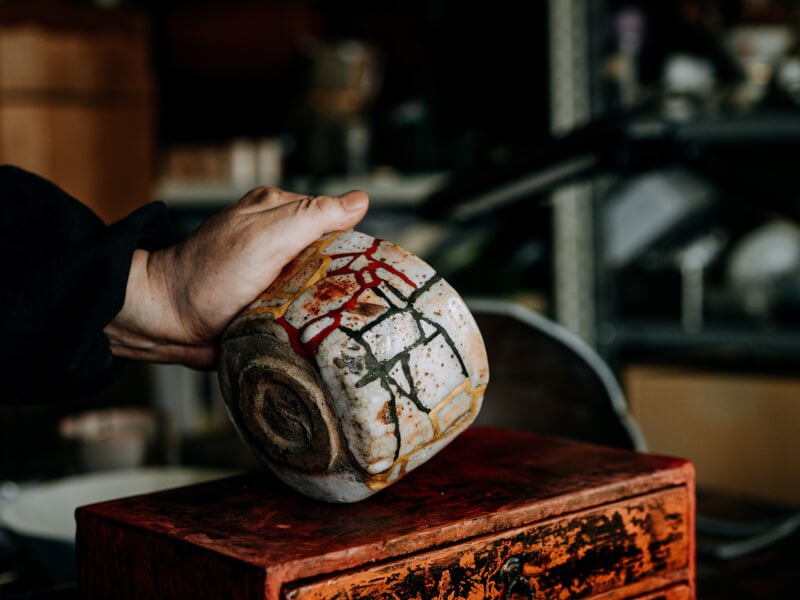
For those who want to incorporate Kintsugi into their daily routines, the process can be as simple as starting with small, broken household items. A chipped teacup, a cracked vase, or a fragmented plate can become the first canvas for exploration. Over time, hobbyists often find themselves drawn to more complex projects, experimenting with patterns, metallic colors, and layered textures. Each repair becomes a meditation, a storytelling act, and a tangible reminder that life’s imperfections are not only acceptable but beautiful.
Conclusion
Kintsugi is more than an art; it is a philosophy that teaches patience, mindfulness, and resilience. Through the careful repair of broken pottery, hobbyists experience a profound connection to history, creativity, and themselves. The gold seams that trace fractures are not just decorative—they symbolize the beauty of imperfection, the value of restoration, and the art of embracing life as it is.
In a society obsessed with perfection and instant gratification, Kintsugi offers a radical, gentle reminder: beauty is not in flawlessness, but in the courage to repair, reflect, and celebrate the scars that tell our story. By engaging in this unique hobby, anyone can transform broken pieces into objects of art and moments of mindfulness, creating work that is visually stunning, emotionally resonant, and deeply human.
Through Kintsugi, brokenness is no longer a defect—it is a canvas, a narrative, and a testament to the art of living fully and authentically.