
 By Wayne Peterson
 Mediterranean art is widely celebrated for its luminous qualities, vibrant colors, and a sense of warmth and openness that seems almost intrinsic to the region. Unlike the rigid structural precision of Northern European traditions, Mediterranean artists have historically emphasized the interaction of light with color, space, and emotion rather than adhering strictly to form or geometric composition. This preference for light over form is not a superficial characteristic; it is deeply rooted in the Mediterranean environment, history, philosophy, and culture. From the sun-drenched landscapes of Italy and Greece to the sparkling waters of Spain and North Africa, the interplay of light in Mediterranean art conveys a profound connection between nature, human perception, and artistic expression.
The Mediterranean region’s climatic and geographical characteristics play a foundational role in this artistic priority. Bright, reflective sunlight floods the landscapes and cities, creating strong contrasts and vibrant color dynamics that inherently encourage artists to focus on how light interacts with surfaces. In these conditions, heavy emphasis on form becomes secondary to the shimmering, mutable effects of illumination. Artists from different Mediterranean cultures, including Italian Renaissance painters, Spanish Impressionists, and Greek iconographers, consistently demonstrate this preference. Light is treated almost as a living entity, one that shapes the mood, guides the viewer’s gaze, and imbues the depicted scene with vitality. In Mediterranean art, light is not merely an accessory to form; it is a principal medium through which meaning and emotion are communicated.
Historically, this emphasis on light is tied to the cultural and intellectual climate of the Mediterranean. Philosophical traditions, such as those of ancient Greece, often linked the visible world to the principles of harmony and perception. Thinkers like Plato and Aristotle considered light not only a physical phenomenon but also a metaphor for truth, knowledge, and the divine. These conceptual frameworks influenced artists, encouraging them to explore how illumination could be manipulated to reveal beauty, depth, and spiritual resonance. In this sense, Mediterranean art reflects a profound synthesis of natural observation and philosophical inquiry, where the manipulation of light becomes a way of understanding the world rather than merely representing it.
Moreover, Mediterranean art often exhibits a relational approach to visual elements. Unlike Northern European traditions that often prioritize linear perspective and anatomical precision, Mediterranean artists focus on the way light modulates color and texture. In paintings, frescoes, mosaics, and ceramics, light is not just a tool for clarity—it defines the atmosphere, creates spatial depth, and conveys emotional intensity. This emphasis can be seen in the works of Renaissance masters like Titian and Caravaggio, who revolutionized painting through their daring use of chiaroscuro and subtle gradations of color to evoke realism and drama. Similarly, in Mediterranean architecture and sculpture, light and shadow are manipulated deliberately to highlight form, but never to overpower the vibrancy of the scene. Light dictates how form is perceived, rather than form dictating how light behaves, illustrating a unique hierarchy in Mediterranean aesthetic sensibilities.
The Environmental Influence on Mediterranean Artistic Light
The Mediterranean climate, with its intense sunlight, clear skies, and reflective surfaces, has exerted a profound influence on the region’s art for centuries. Artists have historically been attuned to these environmental conditions, learning to capture the fleeting, transient qualities of light and shadow as they appear throughout the day. Unlike in more temperate regions, where muted or diffused light often encourages meticulous attention to form and linear precision, the Mediterranean sun imposes a constant, dynamic interplay of brightness and contrast. This requires artists to prioritize the effects of illumination over rigid adherence to geometric or anatomical accuracy.
For instance, consider the sunlit streets of Venice, the sparkling seas of the Greek islands, or the golden hills of Andalusia. The vibrancy of these environments naturally encourages the depiction of light in its many nuances. Artists observing these landscapes note how sunlight transforms surfaces, changes colors, and creates dramatic shadows. The visual impact of light often surpasses the significance of strict form; a shadow falling across a wall may suggest depth and mood more powerfully than any precise architectural or anatomical rendering. Consequently, Mediterranean artists are often drawn to experimentation with techniques that capture the subtleties of illumination, including glazing in painting, mosaics with reflective tesserae, and architectural elements designed to manipulate natural sunlight.
In addition, the Mediterranean’s environmental conditions have historically impacted the materials available to artists. The region’s abundant sunshine and relatively dry climate allow for certain pigments, fresco techniques, and materials to retain their vibrancy over centuries. For example, frescoes in Italy or murals in Greece benefit from pigments that respond uniquely to sunlight, intensifying their visual impact and allowing artists to explore the nuances of color in relation to light. In this context, the interplay of light and medium becomes central to the creative process, reinforcing the priority of illumination over form. The environment is not a passive backdrop; it is an active participant in the art itself, shaping perception, technique, and artistic intention.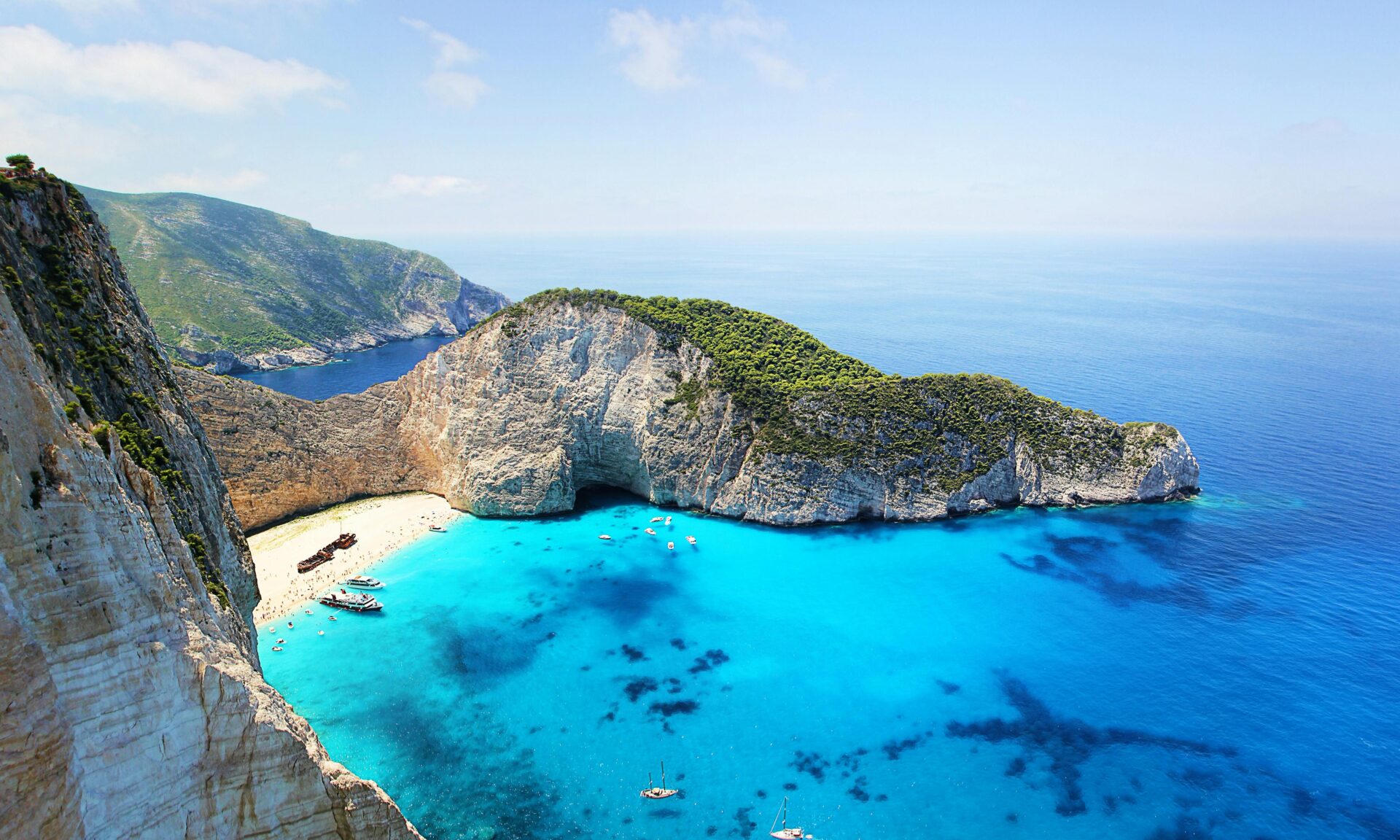
Mediterranean artists are also sensitive to the changing qualities of light throughout the day and seasons, which adds another layer of complexity to their work. Dawn and dusk cast long, dramatic shadows, while midday sun can flatten surfaces and highlight textures in unexpected ways. Rather than attempting to control or eliminate these variations, artists embrace them, allowing light to guide composition and atmosphere. Light becomes a dynamic collaborator, defining the emotional and perceptual experience of the artwork. The environment does not merely provide context for art—it dictates the visual language in which it is expressed, ensuring that light remains a more significant consideration than form itself.
Historical and Cultural Roots of Light-Centric Art
Mediterranean societies have long imbued light with symbolic, religious, and philosophical significance, which has deeply influenced artistic priorities. In ancient Egypt, Greece, and Rome, light was associated with divinity, wisdom, and the cosmos, serving as both a physical phenomenon and a metaphorical concept. These cultural beliefs translated directly into artistic practice, where capturing the play of light was often more important than strict anatomical or structural precision. In Greek sculpture, for instance, polished marble surfaces were designed to interact with sunlight, casting gentle highlights and shadows that animated the figures. The interaction of light with material became as crucial as the material’s form itself, demonstrating the longstanding cultural emphasis on illumination.
During the Renaissance, Mediterranean artists further advanced this principle by exploring the scientific and philosophical dimensions of light. Artists such as Leonardo da Vinci meticulously studied how light reflects, diffuses, and refracts, translating these observations into paintings that prioritized illumination over rigid form. Leonardo’s sfumato technique, which uses subtle gradations of tone to create soft transitions between light and shadow, exemplifies this approach. Here, the form is not neglected but rather revealed and softened by light, creating a sense of realism and emotional resonance that strict linear representation cannot achieve. The Mediterranean tradition, therefore, reflects a synthesis of empirical observation, philosophical inquiry, and aesthetic sensitivity, all centered around the primacy of light.
Religious and spiritual traditions have also contributed to the Mediterranean emphasis on illumination. Christian, Islamic, and Jewish art in the region often used light symbolically to convey divine presence, purity, and transcendence. Stained glass windows in Italian cathedrals, for example, were designed to transform sunlight into a kaleidoscope of color, immersing viewers in a spiritual experience. Islamic architecture similarly employs light to animate geometric patterns and intricate tile work, creating dynamic visual effects that emphasize perception over structural rigidity. In both cases, light becomes a medium through which deeper meaning is conveyed, elevating it above form as the primary vehicle of artistic expression.
The Mediterranean emphasis on light also intersects with cultural values of sensuality, vitality, and immediacy. Light enhances color, emphasizes texture, and captures fleeting moments of life, aligning with Mediterranean cultural ideals that celebrate presence, vibrancy, and physicality. Art becomes a celebration of lived experience, with illumination providing the essential medium through which emotion, atmosphere, and sensory richness are conveyed. Form is never irrelevant, but it is often secondary to the way light reveals and animates it, ensuring that Mediterranean art consistently privileges the visual and emotional effects of illumination over strict adherence to structural representation.
Conclusion
The Mediterranean artistic tradition, with its enduring emphasis on light over form, represents a profound synthesis of environment, culture, philosophy, and technique. Light is the principal medium through which emotion, meaning, and perception are conveyed, and form is often secondary, revealed and animated by illumination rather than dominating the visual experience. This approach reflects centuries of observation, intellectual inquiry, and cultural values that celebrate presence, vitality, and the dynamic interplay of nature and human perception. From ancient mosaics and classical sculpture to Renaissance painting and modern Mediterranean-inspired works, artists have consistently privileged light as the defining element of their practice.
By understanding the Mediterranean preference for light over form, we gain deeper insight into the region’s unique aesthetic sensibilities, as well as the broader human fascination with illumination as a vehicle for meaning. Mediterranean art reminds us that how we see and experience the world is shaped not just by structures and shapes, but by the radiant, ever-changing presence of light itself, a principle that continues to inspire artists and viewers alike. In this way, Mediterranean art is not merely a visual tradition; it is a luminous philosophy, one that celebrates the transformative power of light and its capacity to reveal beauty, emotion, and life in ways that form alone could never achieve.