
 By Wayne Peterson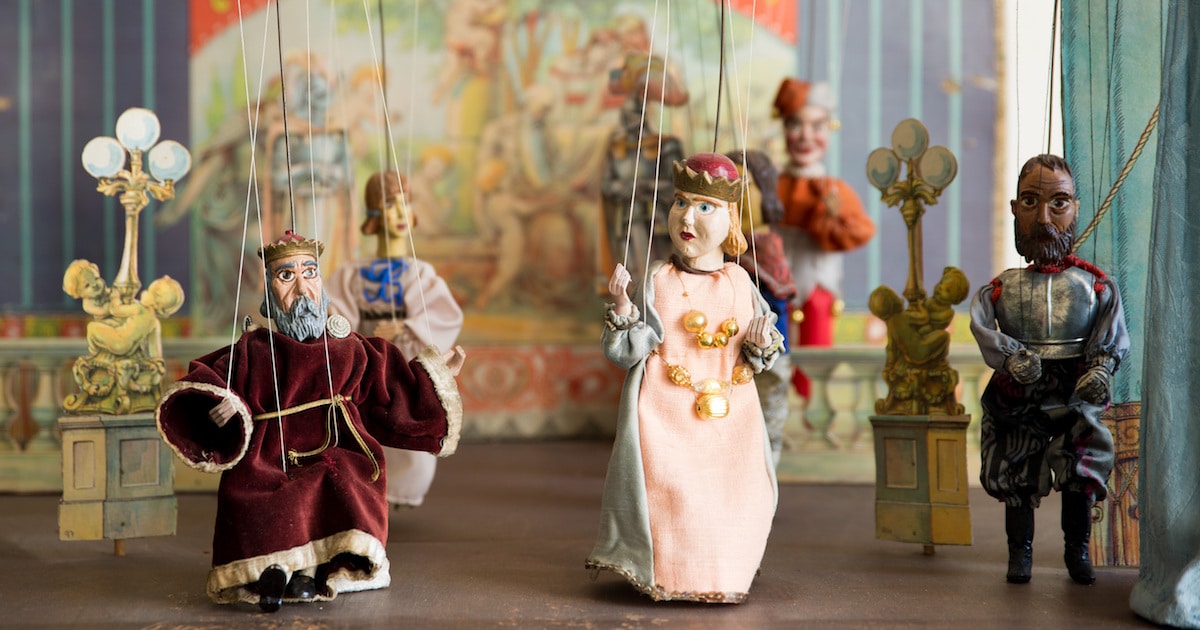
In a world dominated by screens, algorithms, and instant digital gratification, certain art forms quietly fade into the background—not because they lack value, but because they resist speed. Puppetry is one of those art forms. Often dismissed as childish entertainment or a relic of the past, puppetry is in fact a deeply sophisticated, emotionally rich, and creatively demanding hobby. It blends craftsmanship, performance, psychology, storytelling, and even engineering into a single practice. For those willing to look beyond its stereotypes, puppetry offers a uniquely fulfilling creative path—one that engages both the hands and the heart.
A Tradition Older Than the Stage
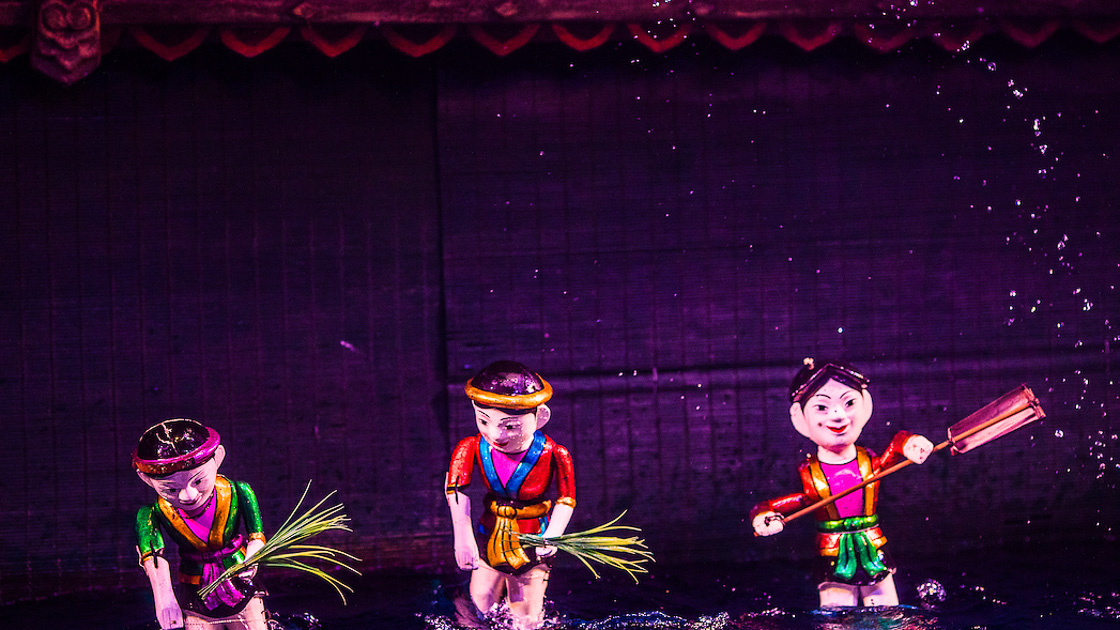
Puppetry is far older than most modern performance arts. Long before cinema, television, or even formal theater, humans were animating objects to tell stories, explain the world, and connect with one another. From ancient shadow puppets in Asia to ceremonial figures in Africa and sacred marionettes in Europe, puppets have been used to explore myths, politics, morality, and the human condition.
As a hobby, this historical depth gives puppetry a rare sense of continuity. When someone builds or performs with a puppet today, they are participating in a tradition that stretches back thousands of years. That sense of lineage is often missing from contemporary hobbies, many of which are shaped by trends rather than heritage. Puppetry reminds its practitioners that creativity is not new, disposable, or algorithm-driven—it is something humans have always done to make sense of life.
More Than Making Toys
One of the greatest misunderstandings about puppetry is the idea that it is simply about making toys. While many people are first introduced to puppets through childhood play, hobbyist puppetry quickly moves far beyond that. Creating a puppet involves design choices about character, movement, texture, and expression. A puppet must communicate emotion through limited means, often without the subtle facial cues available to human actors.
This limitation is precisely what makes puppetry so creatively challenging. Every tilt of the head, every pause, every gesture must be intentional. Hobbyists learn to think deeply about how emotion is conveyed through motion, rhythm, and silence. In this way, puppetry becomes an exercise in visual storytelling, forcing the creator to strip communication down to its essentials and rediscover how much can be said with very little.
The Unique Bond Between Creator and Creation
Unlike many hobbies where the creator remains separate from the finished work, puppetry creates an unusually intimate bond between artist and object. A puppet does not fully exist until it is animated. It relies entirely on the puppeteer’s presence, focus, and emotional investment. This relationship can feel surprisingly personal.
Many hobbyists describe their puppets as extensions of themselves, or even as companions with distinct personalities. This is not delusion but creative projection—the same psychological process that allows writers to feel their characters are “alive.” Puppetry simply externalizes that process. By giving physical form to imagination, hobbyists experience a powerful feedback loop between inner creativity and outer expression, often discovering aspects of themselves they did not expect.
A Safe Space for Expression
One reason puppetry has historically been used for satire and subversion is its ability to create distance between the speaker and the message. A puppet can say things a person might be afraid to say directly. As a hobby, this makes puppetry an unexpectedly effective tool for emotional exploration.
Through a puppet, hobbyists can express vulnerability, humor, anger, or absurdity without the self-consciousness that often accompanies direct performance. The puppet becomes a mask, but not a hiding place. Instead, it allows deeper honesty. For people who struggle with confidence, social anxiety, or public speaking, puppetry can be a gentle entry point into self-expression, offering control without suppression and creativity without fear of judgment.

The Craft Behind the Curtain
Puppetry is not just performance—it is also a craft. Building a puppet involves working with materials such as foam, fabric, wood, clay, wire, or even recycled objects. Each choice affects how the puppet moves and feels. A heavier head changes balance. Stiffer joints limit expression. Soft materials create warmth and approachability.
This hands-on aspect makes puppetry especially appealing in a time when many people crave tangible, physical creation. Hobbyists often find deep satisfaction in the slow process of building something by hand, troubleshooting mechanical issues, and refining details over time. The craft element also means that puppetry naturally encourages learning across disciplines, from sewing and sculpting to basic physics, anatomy, and mechanics, all without feeling like formal study.
Performance as Mindfulness
When performing with a puppet, complete focus is required. The puppeteer must be aware of posture, hand position, timing, voice, and the imaginary world the puppet inhabits. Distraction breaks the illusion immediately. In this sense, puppetry functions as a form of mindfulness.
Many hobbyists describe entering a flow state during performance, where time seems to slow and external worries fade. This mental absorption is similar to what musicians, dancers, and athletes experience, but puppetry adds the layer of animating another “being.” The puppeteer is both present and invisible, guiding attention away from themselves and toward the character. This balance between control and surrender can be profoundly calming and mentally restorative.
An Art Form That Grows With You
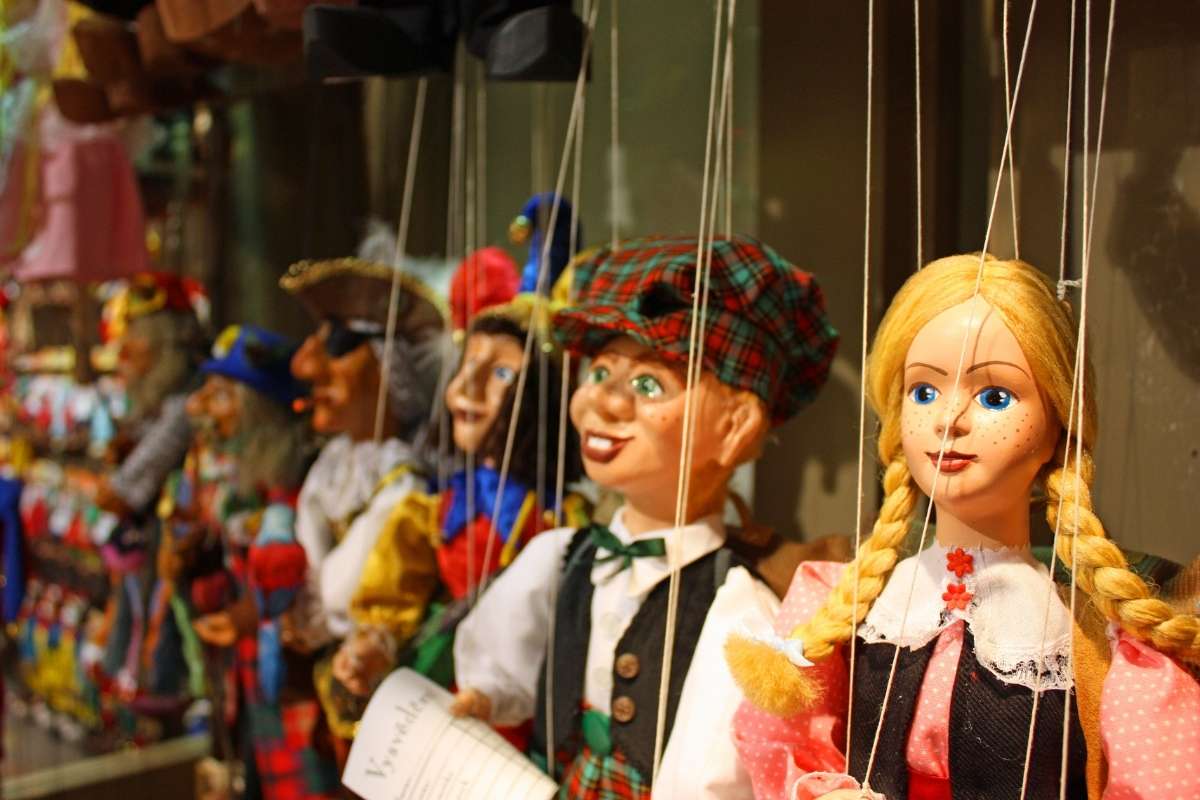
One of puppetry’s greatest strengths as a hobby is its scalability. Beginners can start with simple hand puppets and short performances, while experienced hobbyists can explore complex marionettes, large-scale figures, or multi-character storytelling. There is no clear ceiling.
As skills develop, puppetry naturally encourages deeper exploration into writing, directing, voice work, lighting, and stage design. Some hobbyists perform privately, others share their work online, and some collaborate in community theaters or festivals. Puppetry does not demand professional ambition to be meaningful. It adapts to the level of commitment each person brings, making it sustainable across different life stages.
Community and Cultural Connection
Although puppetry can be a solitary hobby, it often leads to unexpected community. Puppet festivals, workshops, and online forums bring together people from diverse backgrounds who share a passion for this unusual art form. Because puppetry exists slightly outside the mainstream, its communities tend to be welcoming and collaborative rather than competitive.
Puppetry also opens doors to cultural exploration. Different traditions emphasize different techniques, aesthetics, and philosophies. Engaging with these traditions as a hobbyist fosters cultural appreciation and a broader understanding of how storytelling functions across societies. In a globalized yet fragmented world, this kind of connection feels both grounding and enriching.
Why Puppetry Is Overlooked
If puppetry offers so much, why is it so often ignored? Part of the answer lies in cultural perception. Western societies tend to equate maturity with realism and seriousness, and puppets are unfairly associated with childhood. Another factor is visibility. Puppetry often operates behind the scenes, with the puppeteer intentionally hidden. The skill required is easy to underestimate when done well.
There is also the modern bias toward digital creativity. Hobbies that produce shareable content quickly are rewarded with attention, while slower, tactile arts struggle for recognition. Puppetry resists this economy of speed. It demands patience, practice, and presence—qualities that are increasingly rare but deeply needed.
Rediscovering the Power of the Inanimate
At its core, puppetry taps into something profoundly human: the desire to bring life to the lifeless. This impulse appears in children at play, in artists at work, and in ancient myths of animated statues and artificial beings. Puppetry allows adults to reclaim that impulse without irony or apology.
As a hobby, it offers a rare combination of craftsmanship, emotional expression, storytelling, and performance. It challenges the mind, engages the body, and nourishes creativity in a holistic way. In a culture that often separates thinking from making, and expression from play, puppetry quietly reunites them.
Puppetry may never be the loudest or trendiest hobby, but its power lies in its subtlety. With strings, hands, and heart working together, it reminds us that imagination does not disappear with age—it simply waits for the right medium to be taken seriously again.