 By Wayne Peterson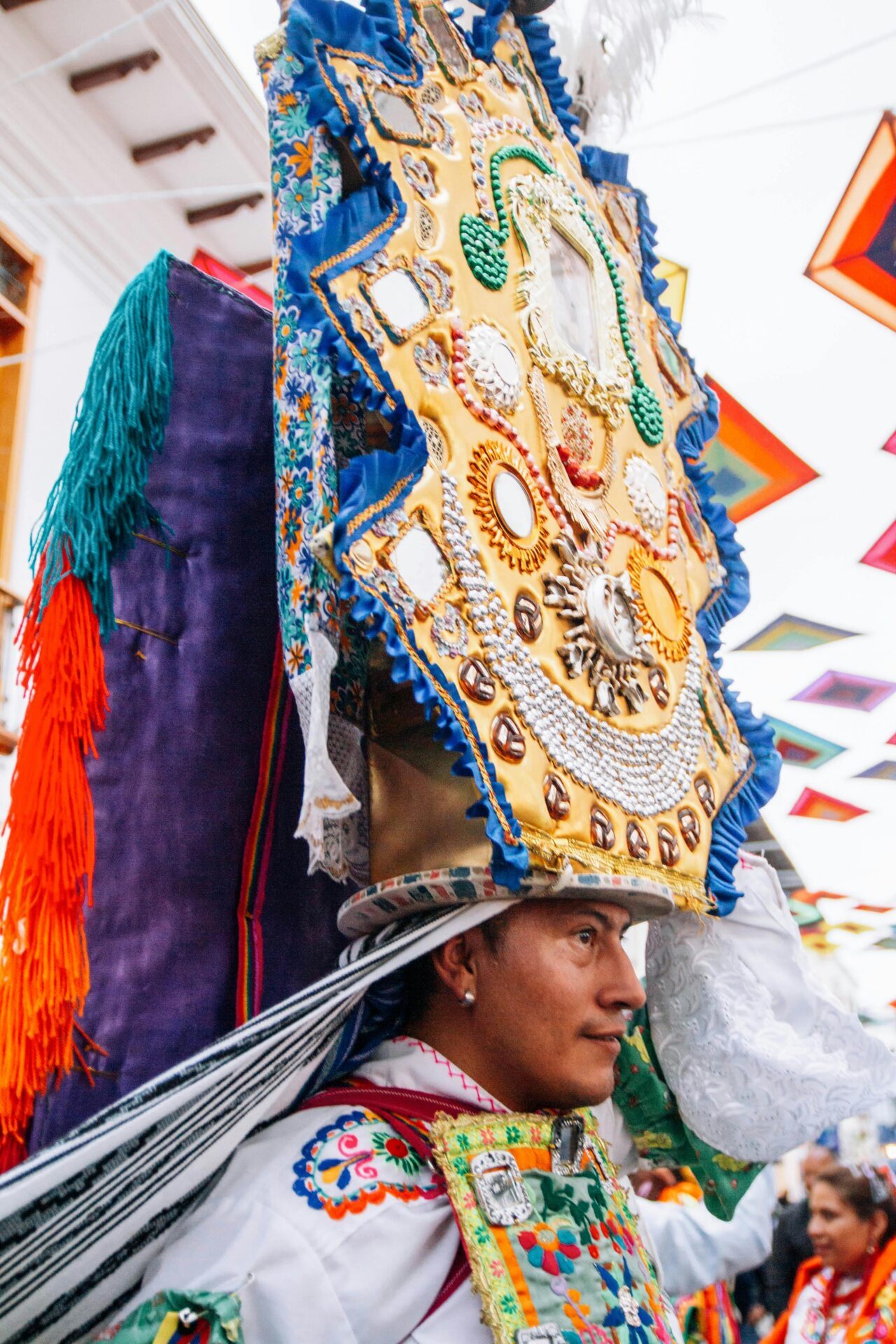
South America is a continent of remarkable diversity, shaped by centuries of migration, colonization, and cultural fusion. Beneath the layers of European influence and globalization, however, Indigenous worldviews continue to exert profound influence on modern South American identity, shaping everything from social structures and environmental attitudes to artistic expression and political movements. Despite centuries of marginalization, Indigenous philosophies, cosmologies, and practices remain integral to the cultural, spiritual, and ethical frameworks that define contemporary South American societies. Understanding this influence requires looking beyond stereotypes and recognizing the resilience and adaptability of Indigenous knowledge systems in shaping both personal and collective identities.
Indigenous contributions to South American identity are often subtle, intertwined with language, ritual, and daily life. They are expressed not only through visible markers such as traditional dress, music, or festivals, but also through conceptual frameworks that guide relationships between humans, nature, and the spiritual realm. From the highlands of Peru to the rainforests of Brazil, Indigenous worldviews inform perspectives on community, land stewardship, and social responsibility, and they have left a lasting imprint on national identities and public consciousness.
Communal Values and Social Structures
One of the most significant ways Indigenous worldviews shape modern South American identity is through communal values and social organization. Many Indigenous cultures emphasize collective well-being over individual gain, prioritizing cooperation, reciprocity, and shared responsibility. These values are reflected in contemporary practices across the continent, influencing community life, social policy, and grassroots activism.
In rural areas, for example, traditional Indigenous approaches to land use and agriculture often emphasize communal ownership, sustainable practices, and resource sharing. Practices such as communal farming and rotational land use have persisted, informing modern approaches to cooperative work and local governance. Even in urban centers, Indigenous concepts of solidarity and mutual support can be traced in neighborhood networks, community projects, and social movements advocating for equitable access to resources. These practices challenge individualistic models of social organization and demonstrate the enduring relevance of Indigenous principles.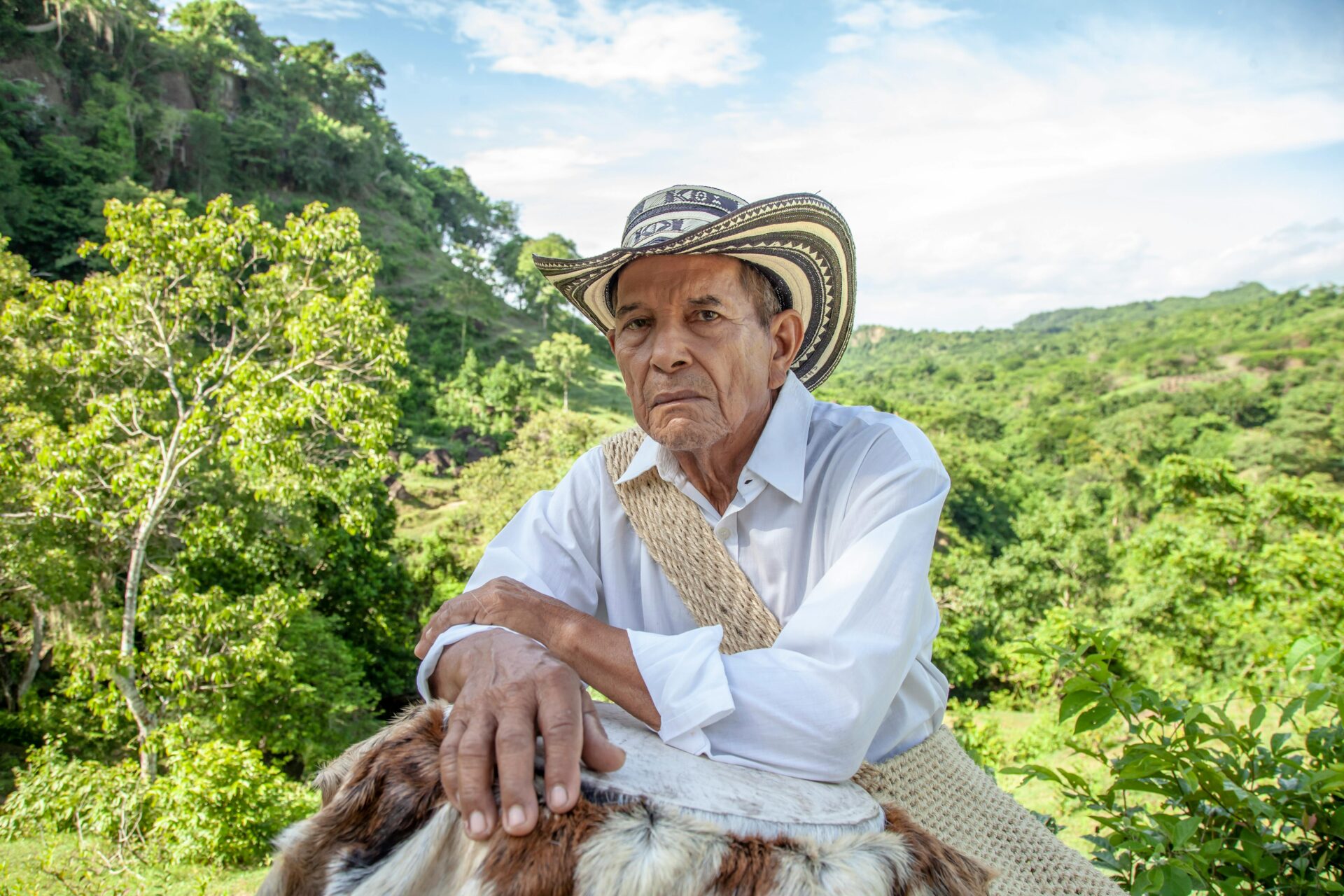
Moreover, Indigenous worldviews often prioritize consensus-building and inclusive decision-making. In Andean societies, for instance, traditional assemblies known as ayllus or community councils involve collective deliberation and shared authority, a model that continues to inspire modern participatory governance initiatives. These frameworks contrast sharply with hierarchical decision-making models imported during colonization, highlighting the lasting influence of Indigenous thought on South American approaches to leadership and civic engagement.
Cultural expressions such as festivals, rituals, and oral traditions also reinforce communal bonds. Seasonal celebrations tied to agricultural cycles or spiritual calendars foster intergenerational connections and a sense of shared purpose. By emphasizing collective identity and social cohesion, Indigenous worldviews contribute to the broader cultural fabric of South American societies, ensuring that the values of cooperation, reciprocity, and community remain central even amidst modernization and globalization.
Spirituality and the Human-Nature Relationship
Another profound influence of Indigenous worldviews is the understanding of the human relationship with the natural world. Across South America, Indigenous cosmologies often conceive of humans as integral components of broader ecological and spiritual systems. Land, water, plants, and animals are not merely resources; they are beings with agency and sacred significance. This perspective continues to shape contemporary environmental consciousness, ethical frameworks, and cultural practices across the continent.
In countries like Bolivia, Ecuador, and Peru, Indigenous notions of Pachamama—the Earth Mother—remain deeply ingrained in both rural and urban consciousness. Ceremonies honoring Pachamama, which may involve offerings of food, coca leaves, or ritualized gestures, reflect an ongoing commitment to ecological stewardship and spiritual reciprocity. These practices are not relics of the past; they inform modern debates on sustainability, land rights, and climate policy, offering alternative paradigms that challenge extractive approaches to natural resources.
The holistic perspective inherent in Indigenous spirituality also influences health practices and medicinal knowledge. Many Indigenous communities approach wellness through the balance of mind, body, and environment, integrating herbal medicine, ritual, and community care. These practices continue to intersect with contemporary health movements, traditional medicine integration, and alternative therapies, highlighting the persistent relevance of Indigenous epistemologies in modern life.
Moreover, the human-nature relationship extends to art, music, and literature. South American visual arts frequently depict landscapes as living entities, while music often incorporates natural sounds and themes of ecological balance. Through these cultural expressions, Indigenous spiritual frameworks shape the way people experience, interpret, and value the natural world, reinforcing a collective identity that is attuned to environmental responsibility and respect for life in all its forms.
Language, Memory, and Cultural Continuity
Language is a fundamental vehicle for worldview and cultural continuity. Indigenous languages such as Quechua, Aymara, Guarani, and Mapudungun carry within them unique conceptualizations of time, space, and social relationships. The survival and revitalization of these languages play a critical role in shaping modern South American identity, preserving ways of thinking and expressing ideas that differ from dominant European frameworks.
Even in countries where Spanish or Portuguese are the official languages, Indigenous words, phrases, and place names permeate everyday speech, geographic terminology, and cultural discourse. This linguistic influence serves as a living reminder of Indigenous presence and epistemology, anchoring identity in a shared history that predates colonization. Festivals, songs, and literature that incorporate Indigenous languages also reinforce cultural memory, connecting younger generations with ancestral knowledge and values.
Language revitalization efforts have gained momentum in recent decades, reflecting a broader commitment to Indigenous heritage. Educational programs, media initiatives, and government policies increasingly support bilingualism and Indigenous literacy, recognizing that language preservation is central to maintaining cultural sovereignty and fostering social inclusion. By sustaining Indigenous linguistic frameworks, these efforts ensure that core principles—such as communal ethics, ecological respect, and spiritual interconnectedness—remain influential in shaping contemporary identity.
Additionally, oral traditions embedded in Indigenous languages transmit histories, genealogies, and cosmologies, providing continuity across generations. These narratives challenge linear historical accounts imposed during colonization and offer alternative perspectives that enrich national consciousness. By sustaining Indigenous languages and storytelling practices, South American societies maintain a vital link to ancestral knowledge that continues to inform modern values, beliefs, and identity construction.
Political Movements and Indigenous Agency
Indigenous worldviews also exert influence through political engagement and social movements. Across South America, Indigenous groups have been at the forefront of advocating for land rights, environmental protection, cultural recognition, and political representation. These movements often draw on traditional governance structures, spiritual frameworks, and communal ethics to articulate claims and mobilize support. Indigenous activism has reshaped national policies, constitutional frameworks, and societal understandings of justice, citizenship, and identity.
Bolivia’s 2009 constitution, for example, recognized the plurinational nature of the state, acknowledging Indigenous peoples, their languages, and their legal traditions. Ecuador’s legal frameworks similarly enshrine rights of nature, reflecting Indigenous cosmologies that view ecosystems as subjects of law. These developments illustrate how Indigenous worldviews continue to shape political discourse and institutional arrangements, challenging Eurocentric models and introducing alternative ways of conceptualizing rights, governance, and collective responsibility.
Grassroots movements in Brazil, Colombia, and Chile also demonstrate the integration of Indigenous perspectives into contemporary activism. Strategies often emphasize consensus, communal consultation, and ethical stewardship, reflecting traditional social norms. By foregrounding Indigenous epistemologies, these movements not only seek practical outcomes—such as land protection or environmental conservation—but also assert the legitimacy of Indigenous knowledge as a guiding framework for modern society.
The political impact of Indigenous worldviews extends beyond specific policies or legal instruments; it reshapes the moral and ethical imagination of nations, influencing how societies conceive of justice, equality, and environmental responsibility. Indigenous activism ensures that contemporary South American identity is not solely defined by colonial legacies or global trends but is deeply informed by ancestral wisdom and ethical principles that remain relevant today.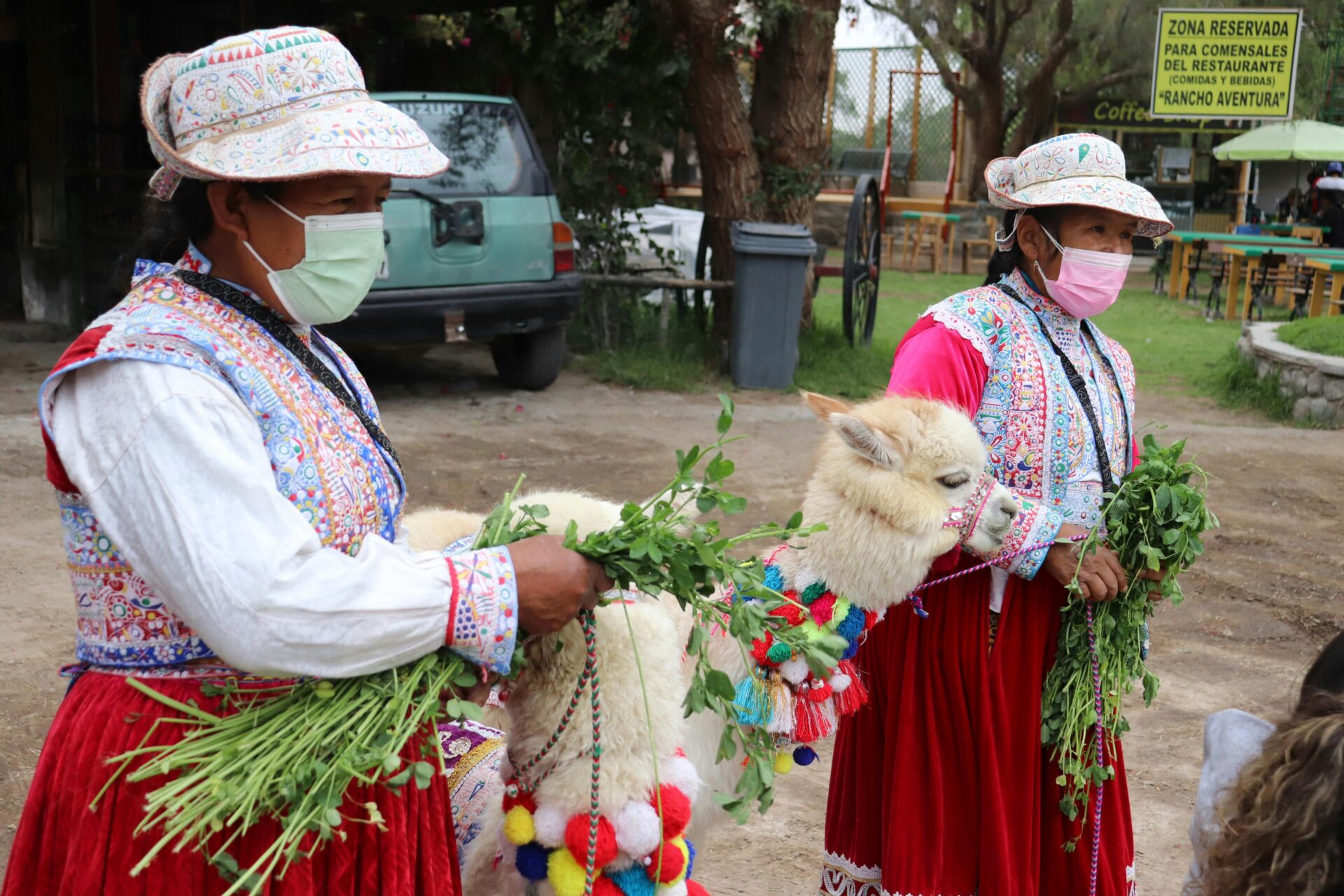
Conclusion
Indigenous worldviews continue to shape modern South American identity in profound and multifaceted ways. Through communal values, spiritual frameworks, language preservation, political activism, and artistic expression, Indigenous knowledge systems inform how people relate to each other, the environment, and their own histories. Despite centuries of colonization and marginalization, Indigenous philosophies remain central to cultural, social, and ethical life, demonstrating resilience, adaptability, and enduring relevance.
Modern South American identity cannot be understood solely through the lens of colonial history, European influence, or contemporary globalization. It is inextricably linked to Indigenous worldviews, which continue to shape ethical norms, political structures, artistic expression, and environmental consciousness. By acknowledging and valuing these contributions, societies can foster a more inclusive, sustainable, and culturally rich understanding of what it means to be South American. Indigenous worldviews are not relics of the past; they are living frameworks that continue to guide and define the present and future of the continent.
This ongoing integration of Indigenous perspectives ensures that South American identity remains dynamic, rooted in tradition while responsive to contemporary challenges. Through continued recognition, preservation, and application of Indigenous knowledge, modern South American societies honor the depth and complexity of their heritage, demonstrating that the wisdom of the past is essential to shaping a just and vibrant future.