 By Wayne Peterson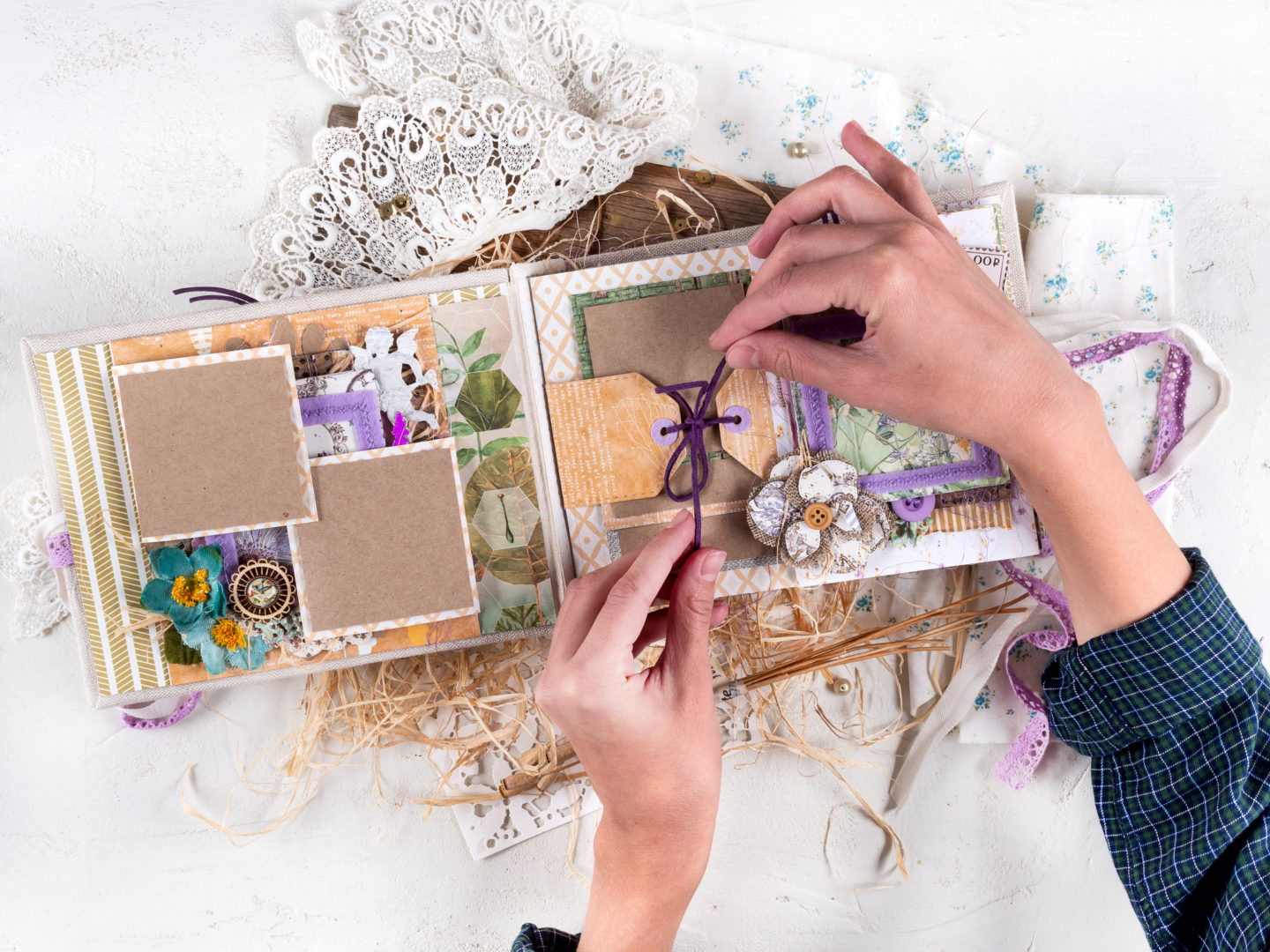
A Quiet Rebellion Against Forgetting
In a world overflowing with digital images, cloud storage, and endlessly scrolling timelines, the act of scrapbooking may seem almost defiant. Why print photographs when they can live in the cloud forever? Why carefully arrange paper, glue, ink, and fabric when an app can compile memories in seconds? Yet, that is precisely why scrapbooking endures. It is not meant to compete with technology. It exists as a slower, more deliberate alternative — a way of preserving time not just through images, but through texture, intention, and touch.
Scrapbooking is a rebellion against the fleeting nature of modern memory. Where digital photos are taken by the hundreds and rarely revisited, a scrapbook demands consideration. Each page is built with thought, each photo selected with purpose, and each line of handwritten text infused with emotion. It is not simply a record of what happened but a reflection of how it felt to live through it.

The Tactile Power of Memory
Memory is not just visual. It is tactile, sensory, emotional. A piece of lace may recall a grandmother’s dress. A pressed flower may echo a summer afternoon. A ticket stub may revive the excitement of a first concert. Scrapbooking allows these physical pieces of life to exist alongside images and words, turning memories into something that can be held, felt, and experienced again.
Paper has a presence that screens cannot offer. The soft texture of cardstock, the faint smell of glue, the raised edge of a sticker — these details create a physical connection to the past. When flipping through a scrapbook, the person is not just viewing an image but interacting with a layered work of art. This physical engagement deepens emotional connection. It allows memory to settle into the hands as well as the mind.
Unlike digital slideshows or social media posts, a scrapbook does not disappear into a sea of content. It remains on a shelf, waiting to be rediscovered. Each time it is opened, the pages unfold a curated narrative shaped by the creator’s own sense of meaning.
Scrapbooking as Storytelling
At its heart, scrapbooking is about storytelling. It is not a random collection of photographs and decorations but a carefully stitched narrative of a life, a relationship, a journey, or a single fleeting moment. The scrapbooker chooses what matters most, arranging events not in perfect chronology but in emotional truth.
A wedding scrapbook is not simply about the ceremony. It is about the anticipation in the morning, the laughter with friends, the nerves before walking down the aisle, and the quiet joy of the evening’s end. A travel scrapbook does not only show famous landmarks but captures the unexpected moments between — street performers, local cafés, handwritten notes from strangers, and the exhaustion after a long day of exploration.
Through scrapbooking, personal history becomes art. The creator controls the narrative, highlighting certain emotions, softening others, and shaping how the story is remembered. This makes scrapbooking a deeply intimate form of expression, one that no algorithm can replicate.
Creative Freedom Without Rules
One of the most beautiful aspects of scrapbooking lies in its absence of strict rules. There is no single correct way to create a page. Some scrapbooks are intricate and carefully planned, filled with themed color palettes and symmetrical layouts. Others are wild and spontaneous, full of overlapping photos, messy handwriting, and splashes of paint.
This freedom makes scrapbooking accessible to anyone, regardless of artistic background. You do not need to know how to draw, paint, or design. All you need is a willingness to experiment, to play, and to let your memories guide the process. In a sense, scrapbooking is one of the most democratic art forms. It does not belong to galleries or critics. It belongs to individuals and their stories.
Each page becomes a reflection of the creator’s personality. A minimalist person might use clean lines, neutral colors, and simple journaling. A vibrant, expressive individual might cover every inch of the page with patterns, textures, and bold statements. In both cases, the scrapbook remains honest. It does not aim to impress an audience. It exists to preserve something personal and true.

Slowing Down in a Fast World
The process of scrapbooking is undeniably slow. It takes time to choose photos, cut paper, write captions, and assemble a layout. In an age that prioritizes speed and efficiency, this slowness becomes an unexpected gift. Scrapbooking forces the creator to pause, to reflect, and to relive moments that might otherwise be rushed past.
This act of slowing down has a meditative quality. It draws attention away from screens and notifications and anchors it in the present moment. For many, scrapbooking becomes a form of self-care, a quiet ritual that allows the mind to wander through the past while hands remain busy in the present.
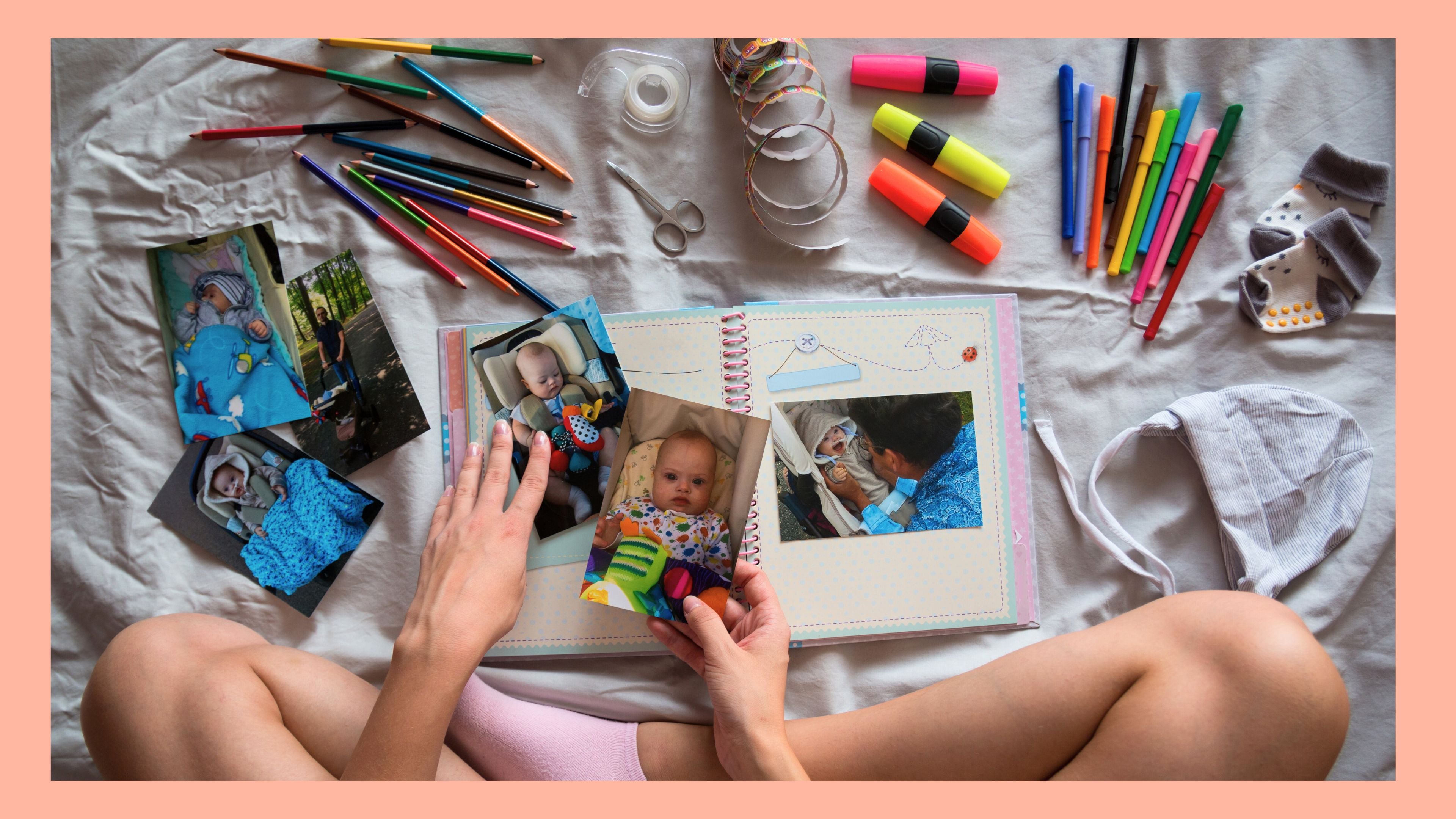
As photos are held and inspected, forgotten details resurface — facial expressions, background elements, small but meaningful moments. Scrapbooking gives these details a second life. It turns remembering into an intentional act rather than a passive one.
Intergenerational Bridges of Memory
Scrapbooks often become treasured family heirlooms. They pass from one generation to the next, carrying stories that might never be told aloud. A child who flips through a parent’s scrapbook does more than look at pictures; they step into a world that existed before them and gain insight into the experiences that shaped their family.
Handwritten notes in the margins, dates written in faded ink, captions in familiar handwriting — all of these provide a deeply human connection. They transform history into something intimate and approachable. Scrapbooks become living documents, filled not only with images but with voices from the past.
In a time when so much data is stored invisibly in digital space, the physical presence of a scrapbook feels almost sacred. It is proof that someone loved these moments enough to turn them into permanence.
Scrapbooking as Emotional Healing
Many turn to scrapbooking during times of change, loss, or transition. The act of recording memories can be deeply therapeutic. It allows for the processing of emotions that might be too complex to speak aloud. Through layout choices, written reflections, and symbolic elements, feelings find a place to live on the page.
A scrapbook created after the loss of a loved one may become a space of mourning and celebration at once. A scrapbook documenting recovery or personal growth becomes a visible testament to resilience. In this way, scrapbooking becomes more than a creative act. It becomes an emotional anchor, a witness to survival, joy, and transformation.
The Intersection of Past and Present
Scrapbooking does not trap people in nostalgia. Instead, it acts as a bridge between the past and the present. While creating a page, the creator stands in the now, interpreting the then. This blending of timelines allows for new understanding. Moments that once felt confusing or painful may take on different meaning when revisited years later.
This reflective nature makes scrapbooking a powerful tool for self-awareness. By curating one’s own history, patterns become visible, growth becomes tangible, and identity becomes clearer. The scrapbook becomes a mirror of the self across time.
Why Scrapbooking Endures
Despite constant technological innovation, scrapbooking continues to thrive. Its endurance lies in its humanity. It is imperfect, tangible, messy, and real. Every fingerprint, every uneven cut, every scribbled note adds authenticity. These small imperfections are not flaws. They are proof that a human hand was there.
Scrapbooking remains deeply personal because it cannot be mass-produced. No two scrapbooks are ever the same. Each one is a unique artifact shaped by individual memory, emotion, and creativity. It honors the idea that moments matter, that stories deserve care, and that time is worthy of preservation.
In an era consumed by immediacy, scrapbooking reminds us that some of the most meaningful things require patience. It shows that creativity does not always need an audience to be powerful. Sometimes, it simply needs a page, a memory, and a pair of hands willing to bring the past gently into the present.
Through paper, people continue to preserve time — not as something lost, but as something lovingly remembered.